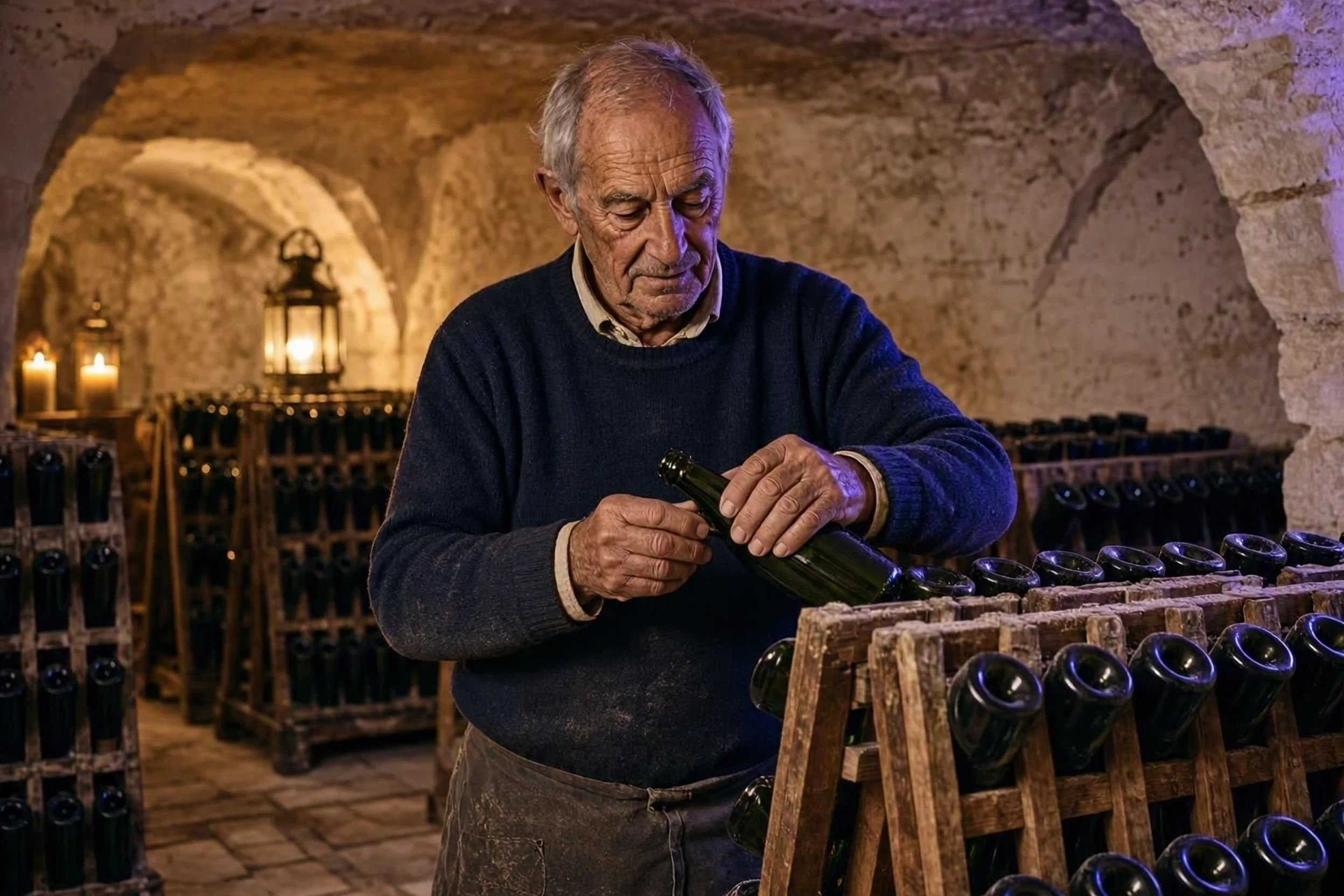
Our producers
Family houses and great terroirs, chosen one by one
A Grand Cru Champagne house rooted in Chouilly for more than two centuries, a young house founded by a passionate couple in Pierry, a Spanish family that has been curing Iberico ham since 1932, and three exceptional products: black Périgord truffle, 100% Québec Wagyu and caviar. With each of them, our ties go beyond business: they are personal relationships, built over visits and tastings. That closeness is what lets us secure rare allocations and answer your custom requests.
 Since 1808R&L LegrasChouilly · Côte des Blancs · Champagne
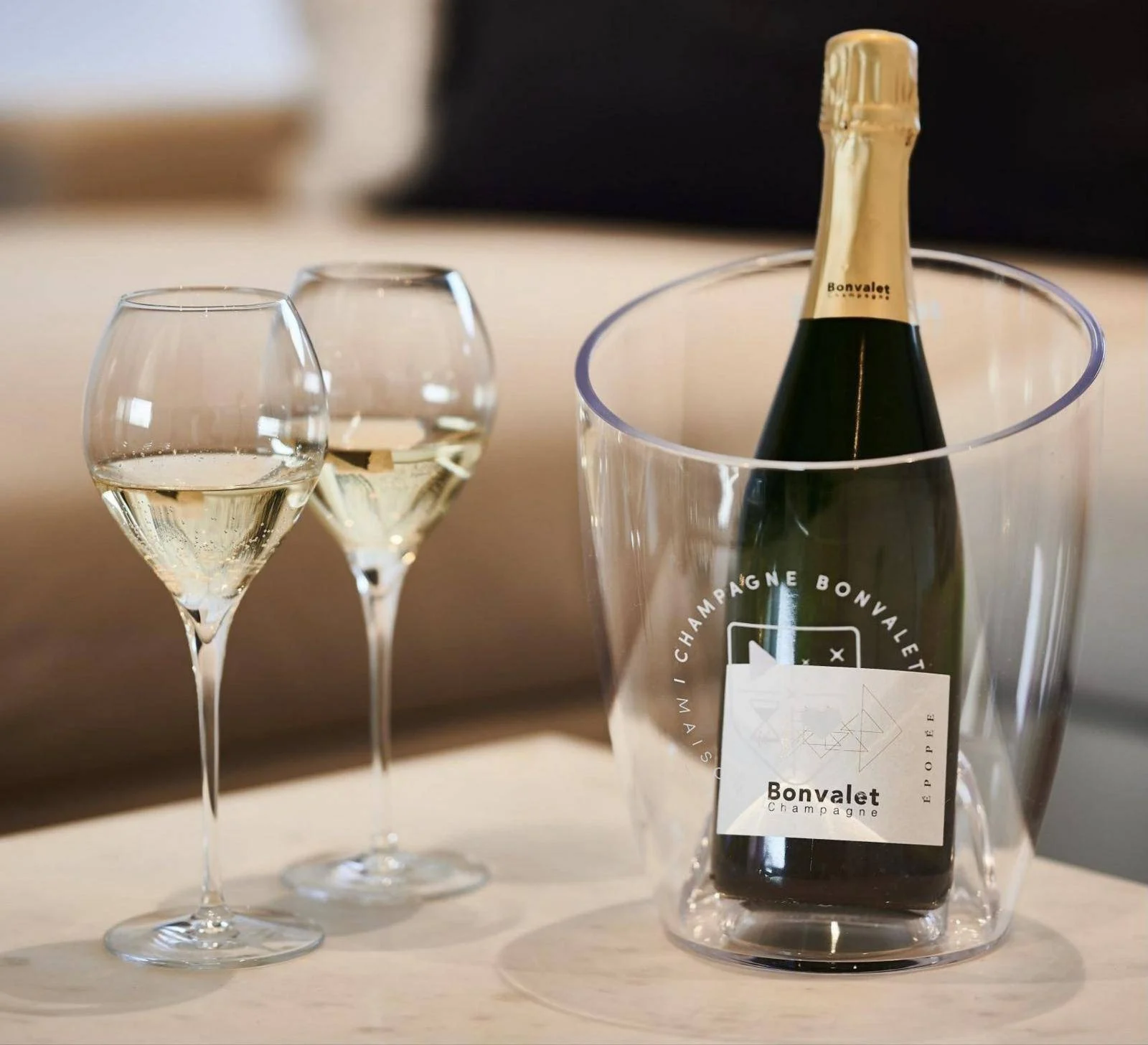 Since 2012BonvaletPierry · Épernay slopes · Champagne
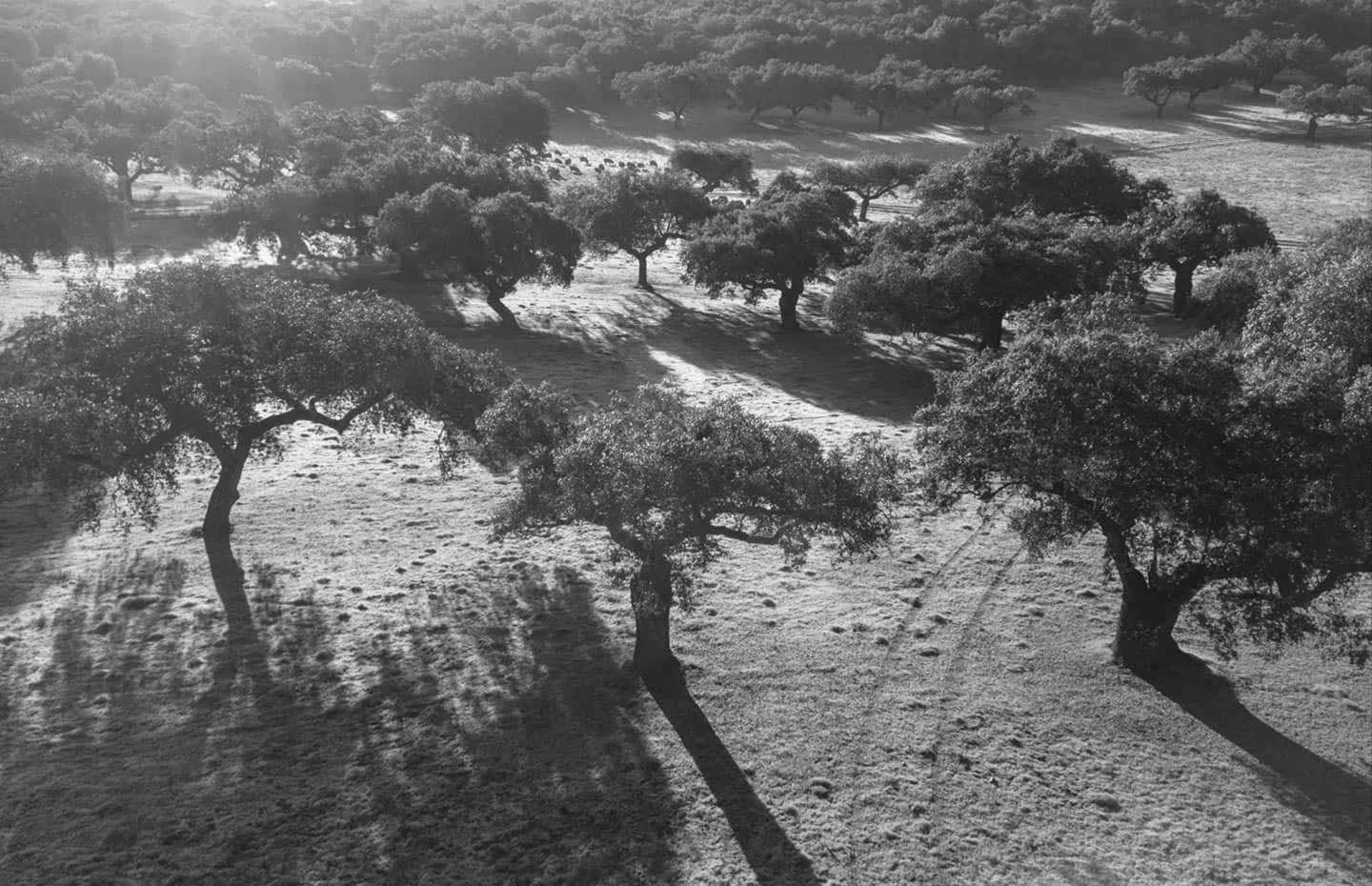 Since 1932Jamones BlázquezSalamanca · Guijuelo · Extremadura · Andalucía
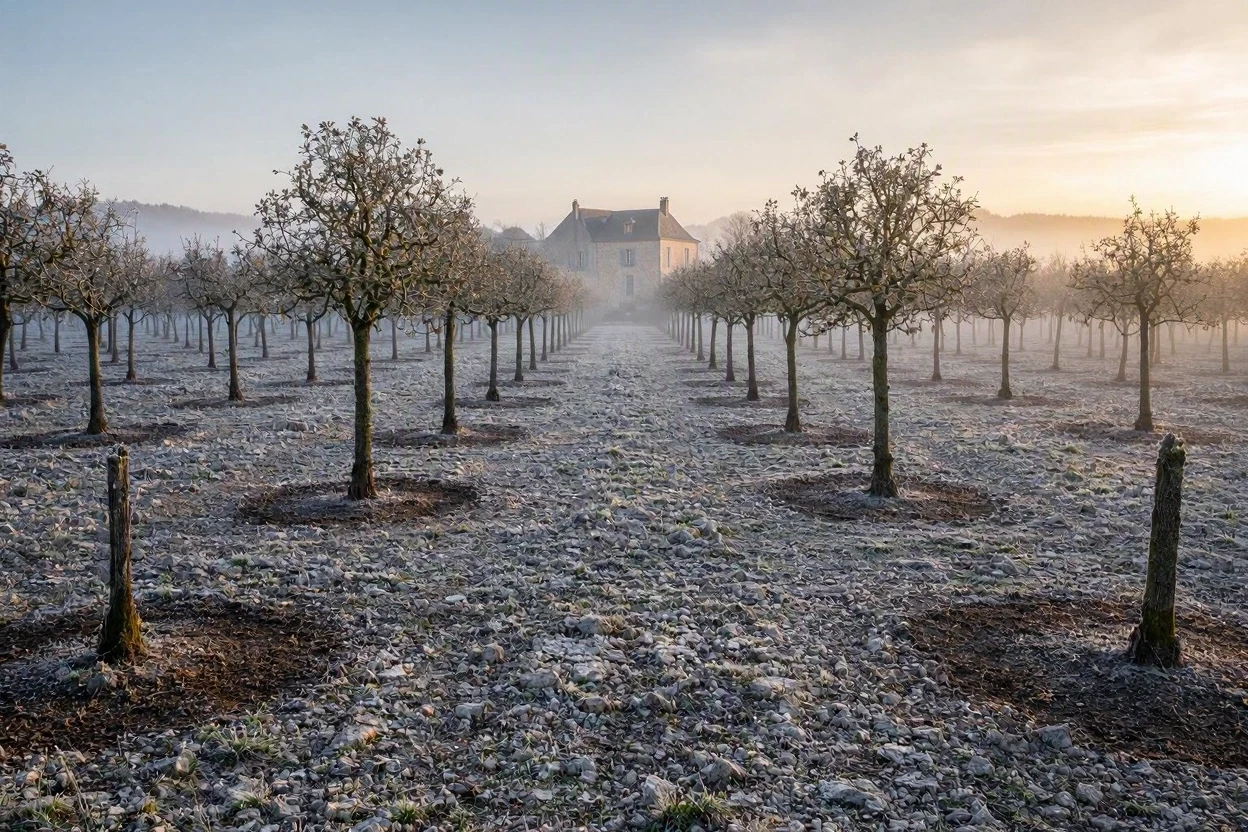 When availablePérigord trufflePérigord · Dordogne
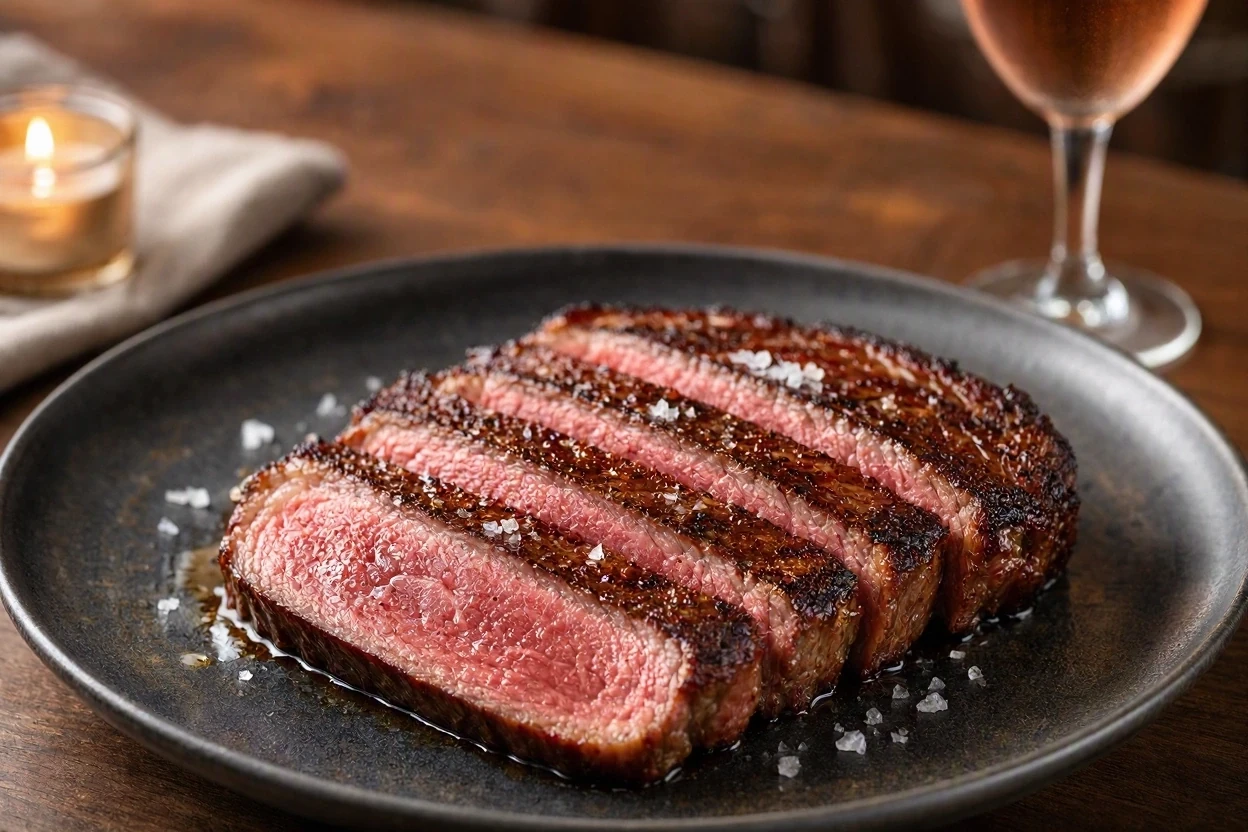 100% QuébecQuébec WagyuQuébec · Canada
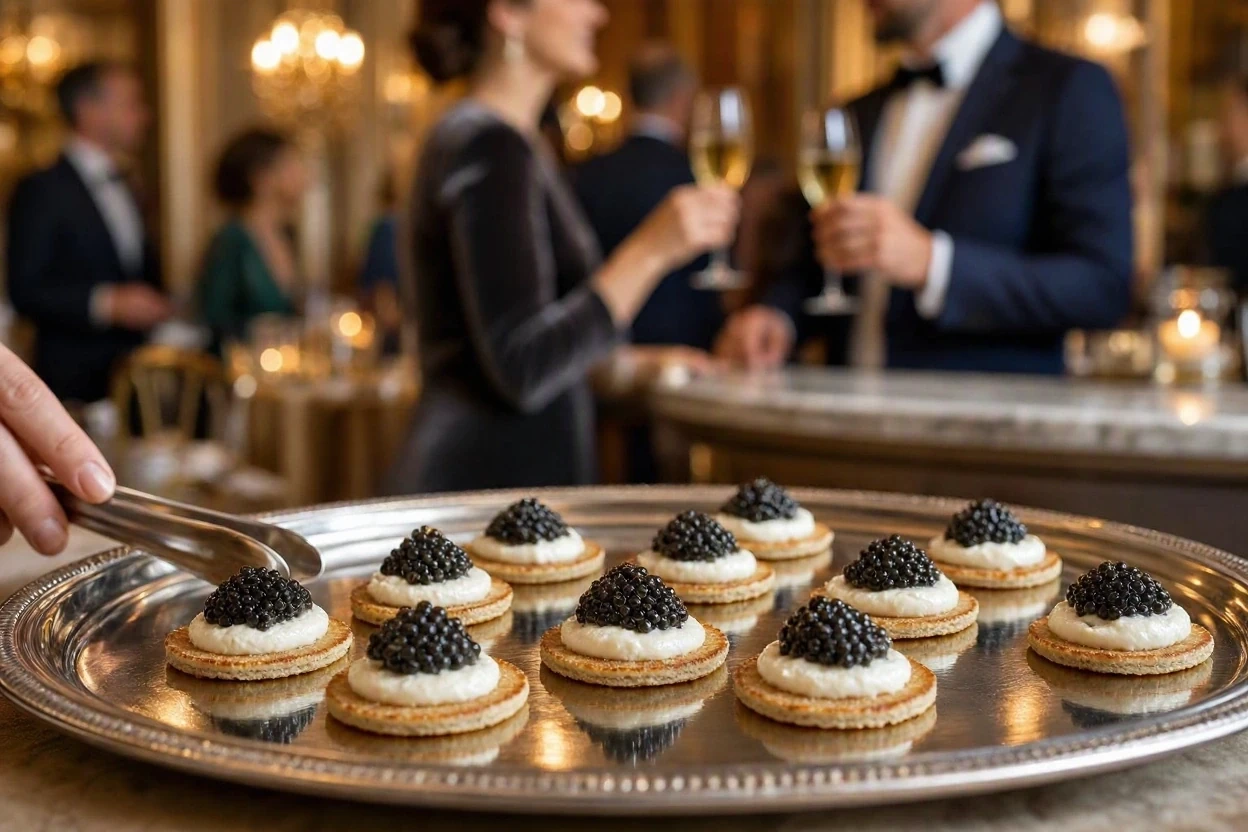 Current selectionCaviarSturgeon
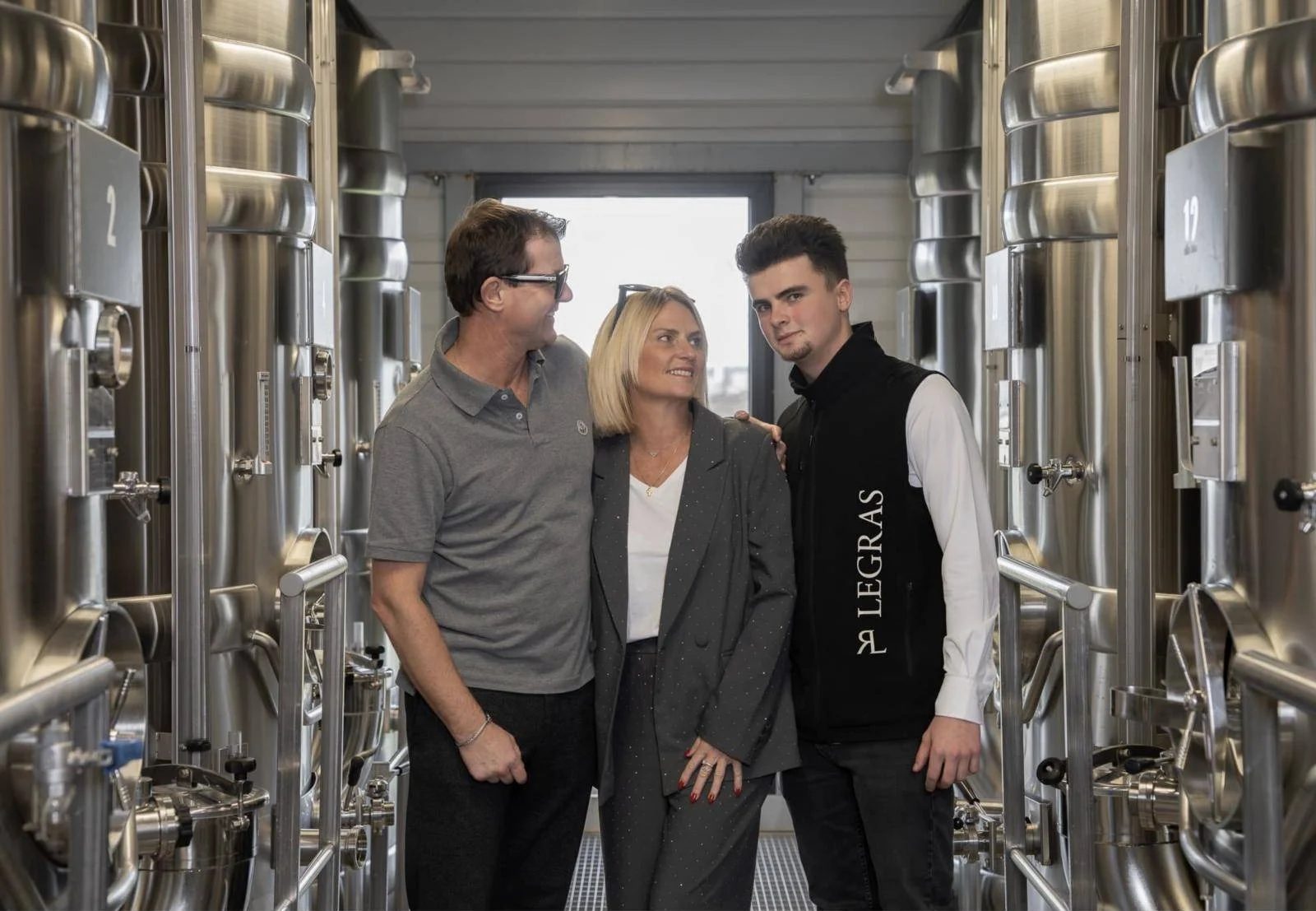
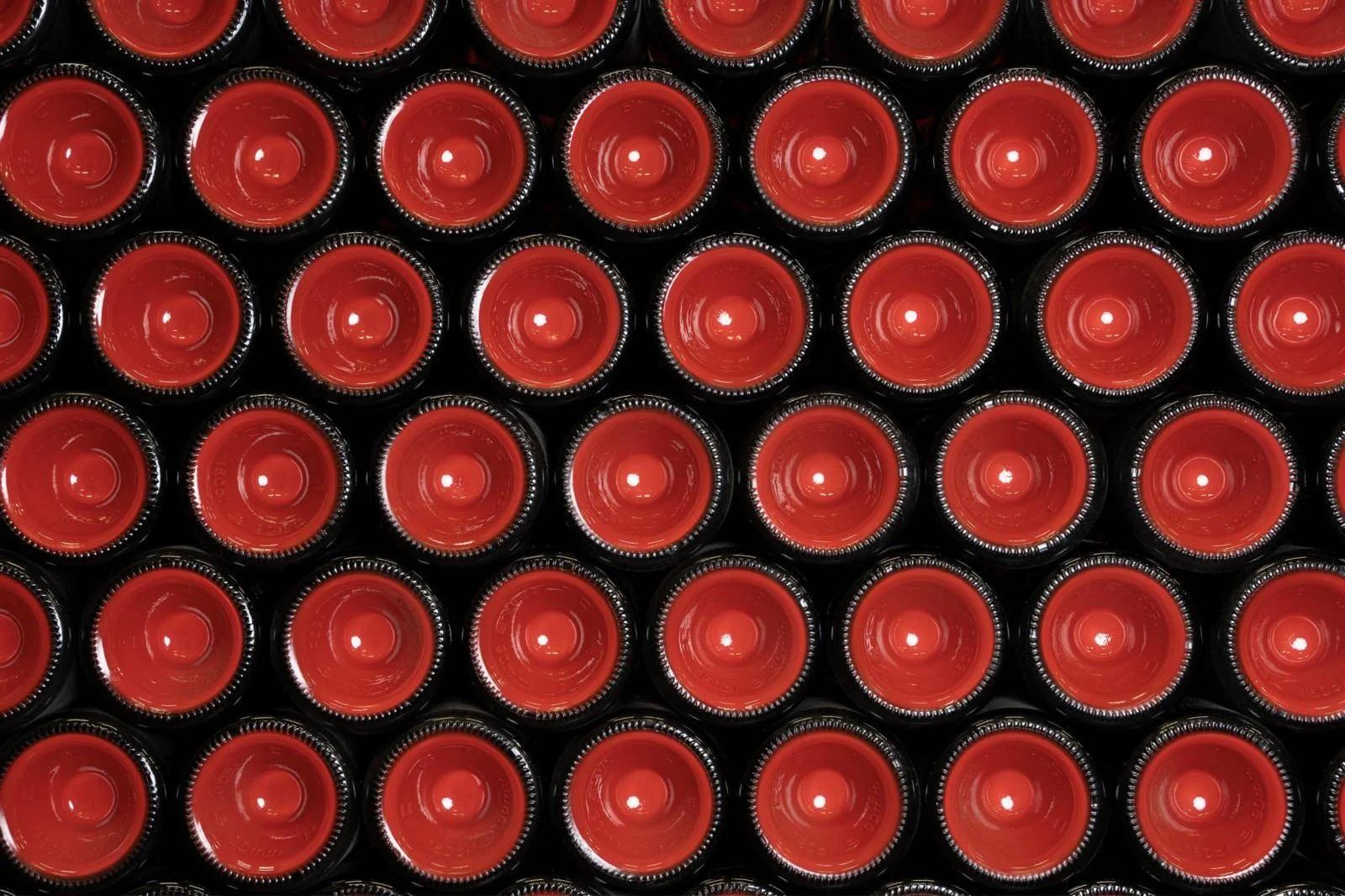
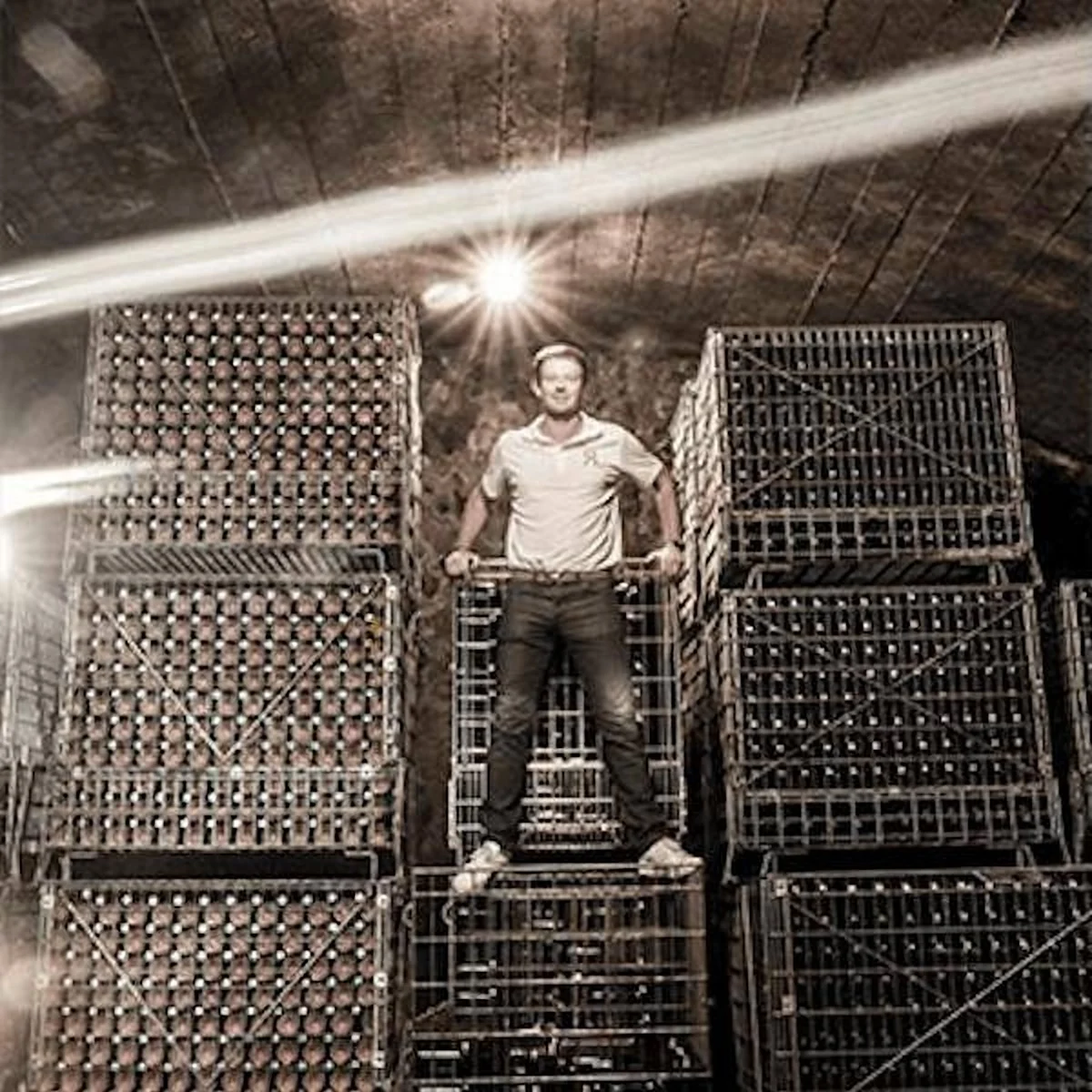
R&L Legras traces its roots to 1808, when Honoré Legras acquired his first vines in Chouilly and sold his grapes to the great Champagne houses. After the Second World War, brothers René and Lucien Legras began making their own champagnes and gave the brand their initials.
Arriving at the estate in the early 1970s, Gérard Barbier, son of René Legras, made it one of the most prestigious houses of the Côte des Blancs. Today Julien, Stéphanie and Theo Barbier run the house and carry its heritage around the world.
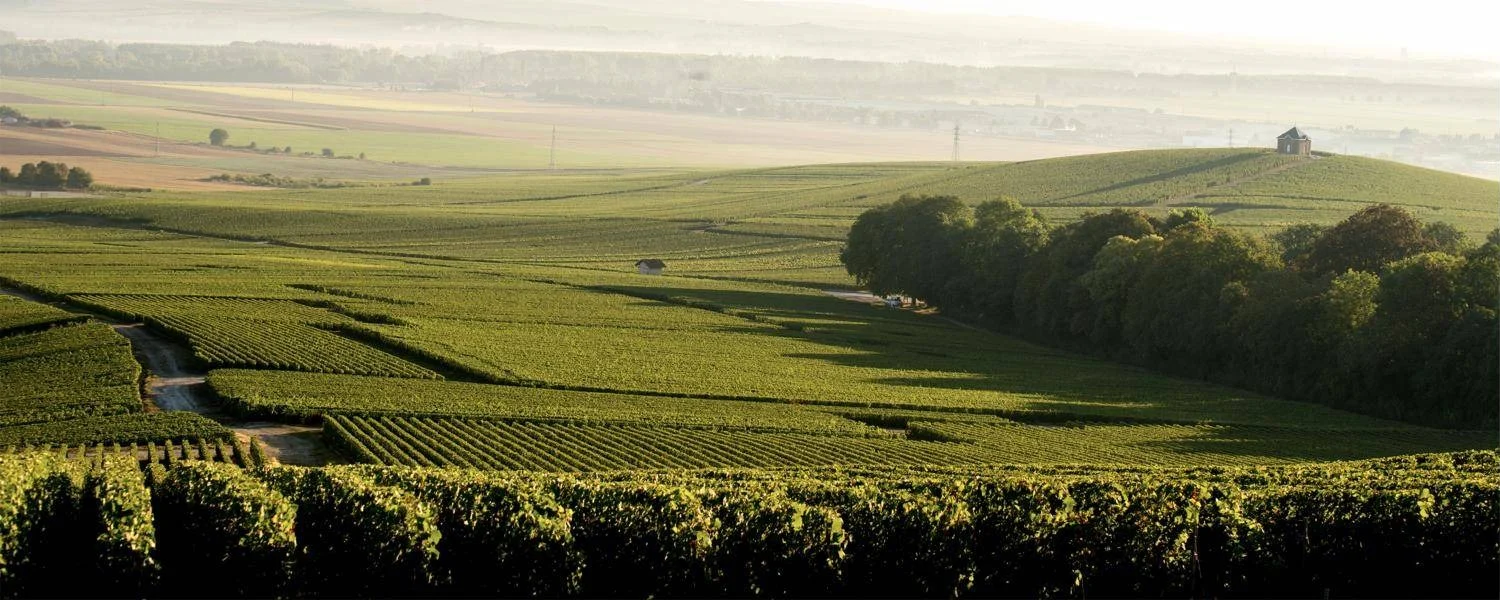
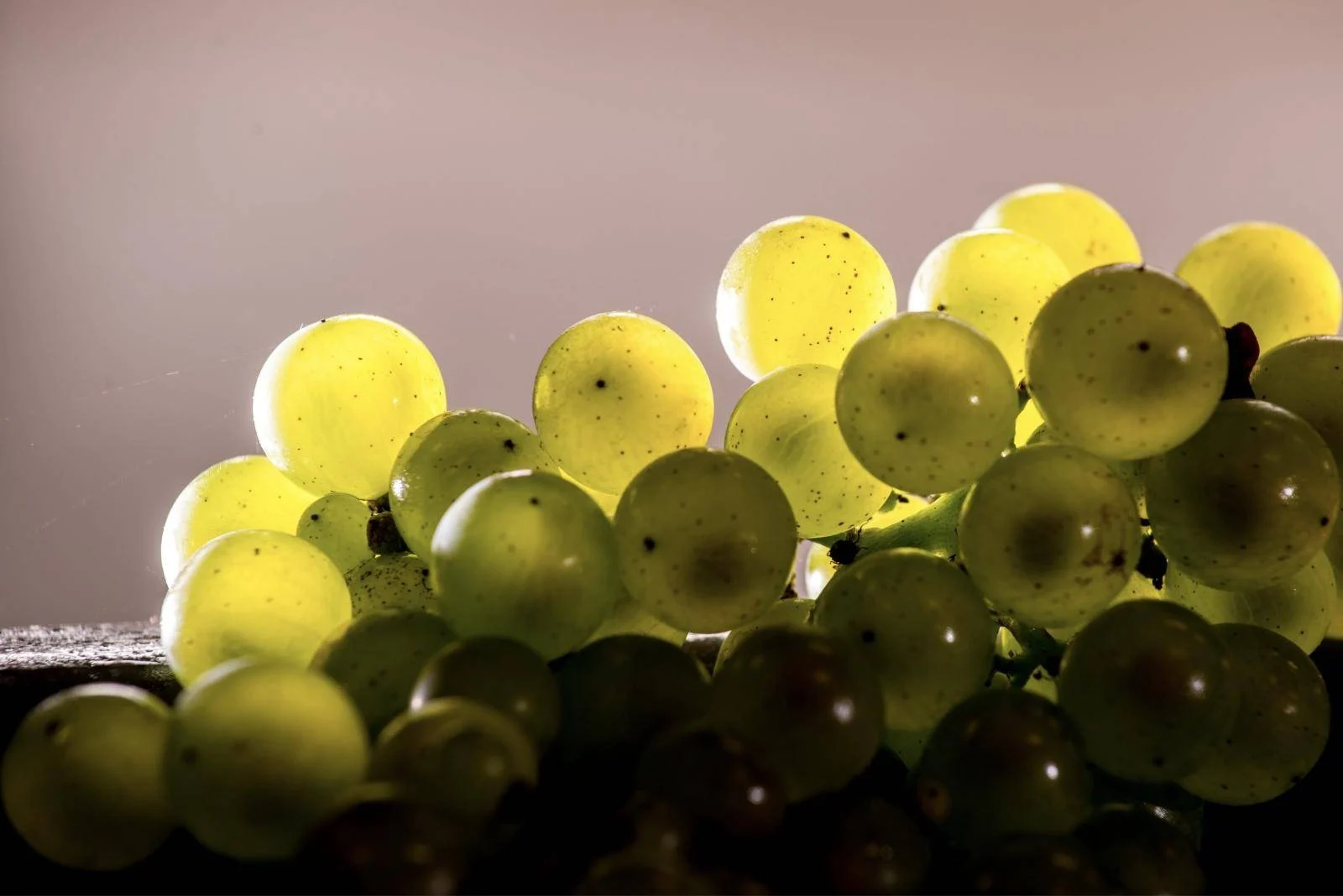
Chouilly is one of Champagne's 17 Grand Cru villages, with 520 of its 525 hectares planted to chardonnay: the largest vineyard of this grape in Champagne. Its chalk soils, with a touch of clay to the north-west, give wines broader than the pure mineral tension of Cramant or Le Mesnil. The house farms plots all around the village and vinifies everything in stainless steel to preserve the purity of the chardonnay; every wine goes through malolactic fermentation.
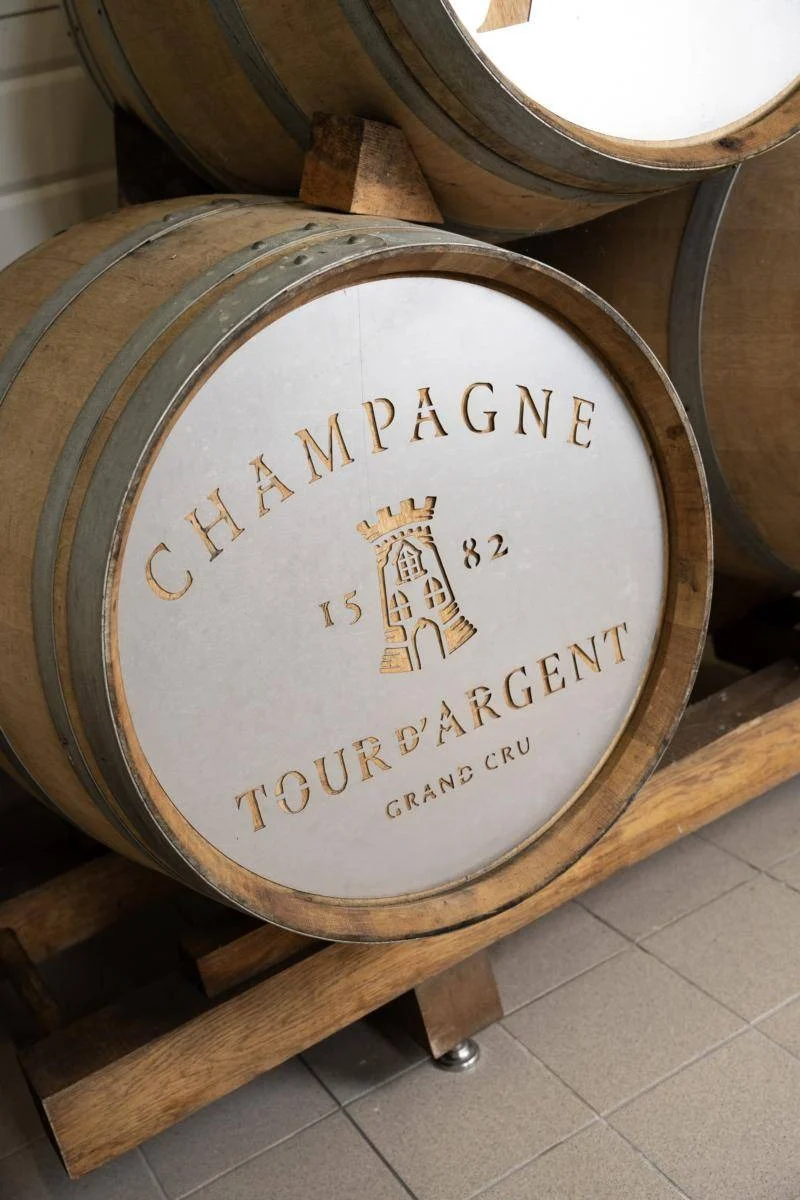
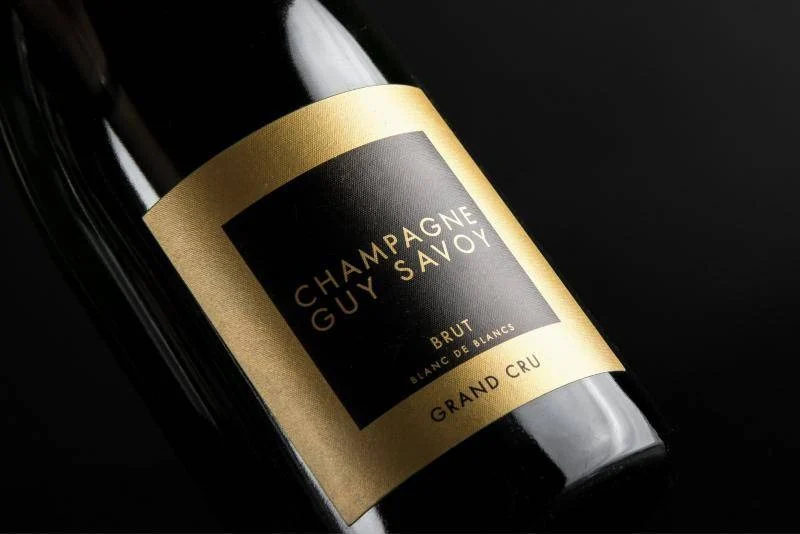
More than 50 years ago the house became known as “the champagne of starred chefs”. Formerly the official champagne of the Michelin Guide, it pours at La Tour d'Argent, Guy Savoy, L'Assiette Champenoise, Auberge du Pont de Collonges (Paul Bocuse), Les Crayères, Amber at the Mandarin Oriental Hong Kong and Alchemist in Copenhagen. It even makes the Blanc de Blancs sold as “Champagne Guy Savoy”.
Tradition Delloye is the exclusive representative of R&L Legras in Québec.
“Freshness, generosity and elegance are the watchwords.”The R&L Legras style, in the house’s words
In pictures
On video
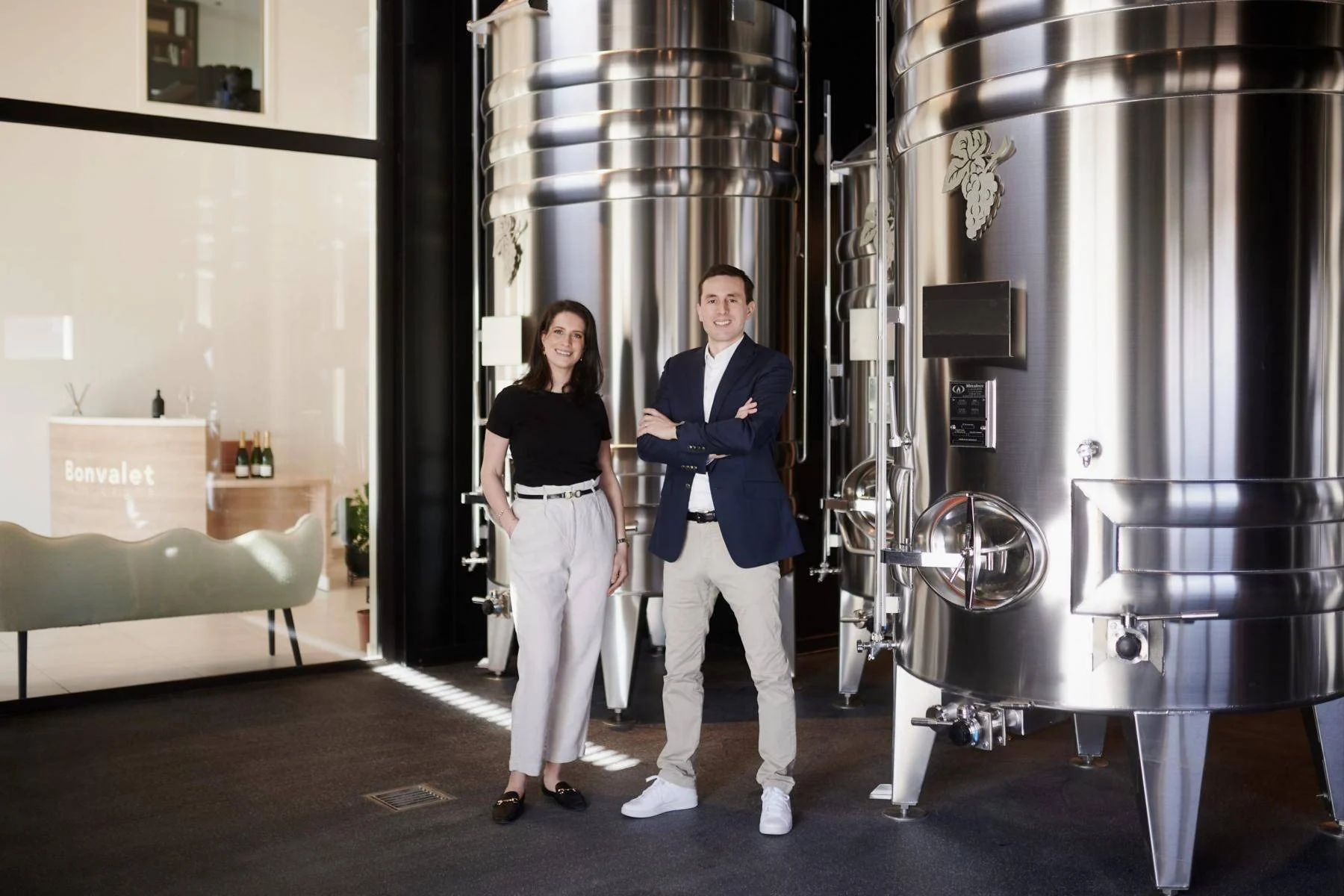
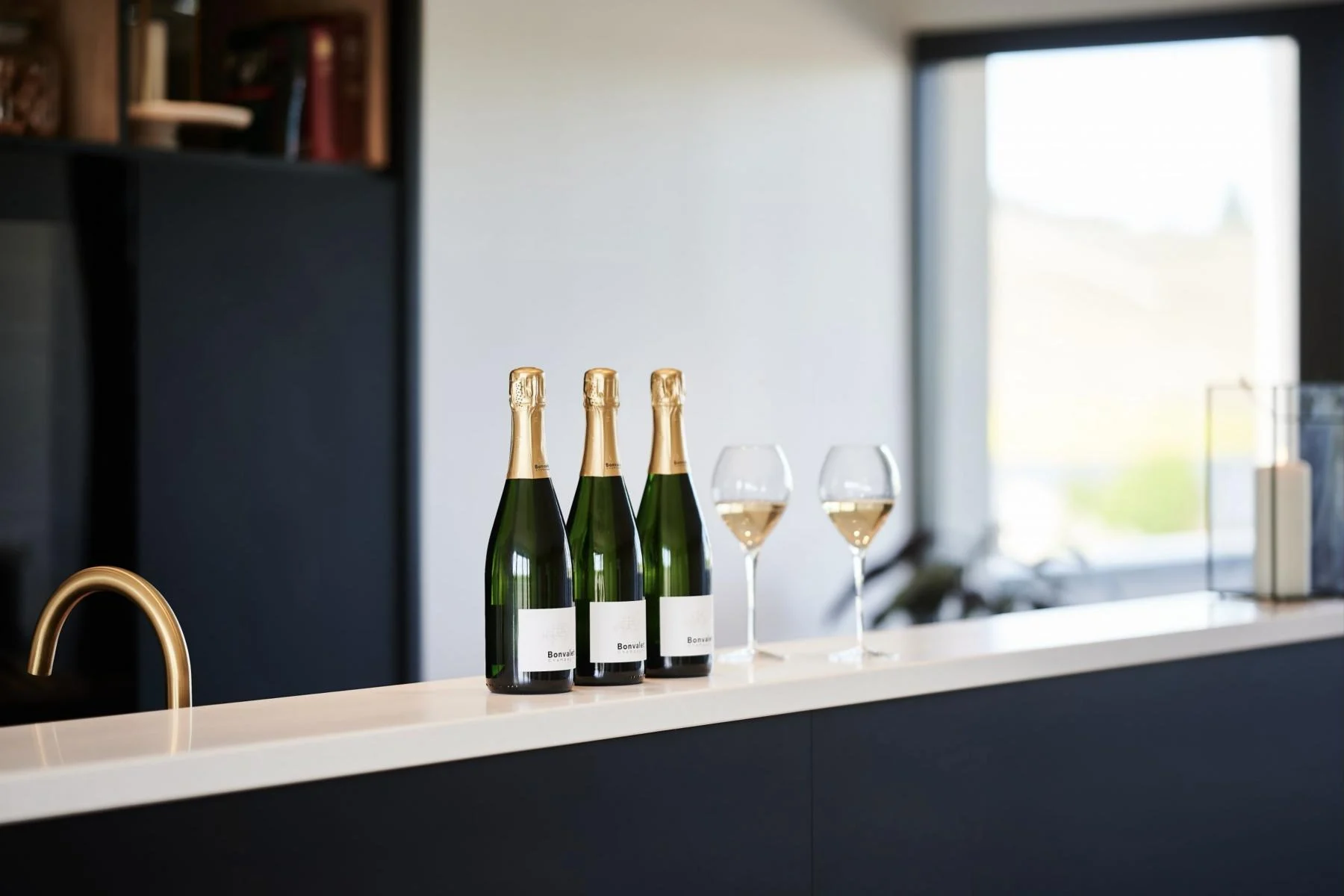
Pauline and Guillaume Bonvalet inherited no vines: they built their Champagne house from scratch in 2012, in Pierry, on the slopes of Épernay. The first bottles left their cellars in 2014, after two years of ageing. Their motto, borrowed from Jacques Cœur, says everything about their adventure: “To a valiant heart, nothing is impossible”.
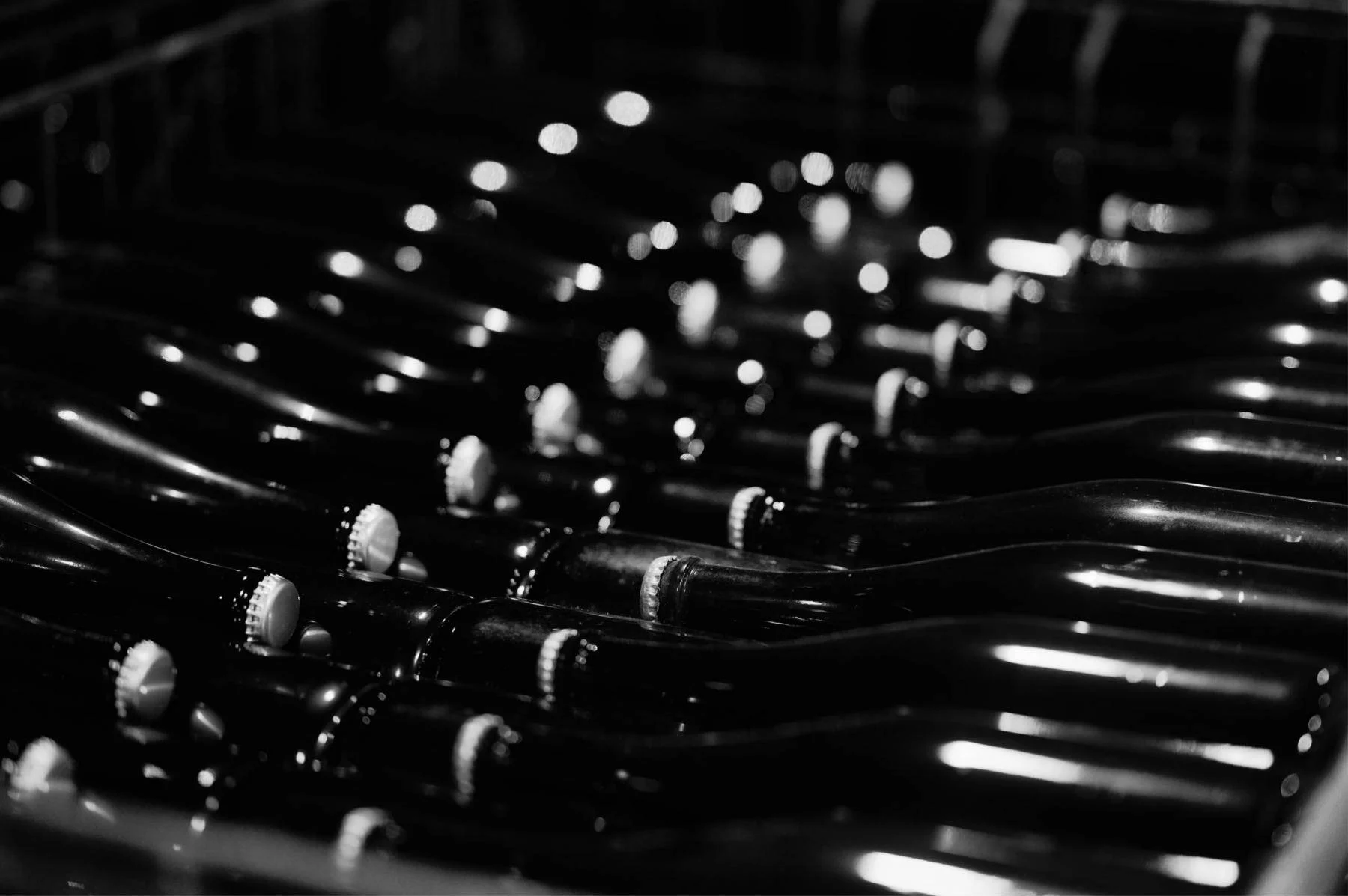
The house now farms about seven hectares. Its grapes come from vines certified High Environmental Value (HVE) and Sustainable Viticulture in Champagne (VDC): preserved biodiversity, a limited carbon footprint, careful water management. In the cellar, every step is closely watched, from vinification to dosage, ageing time and sulphite levels.
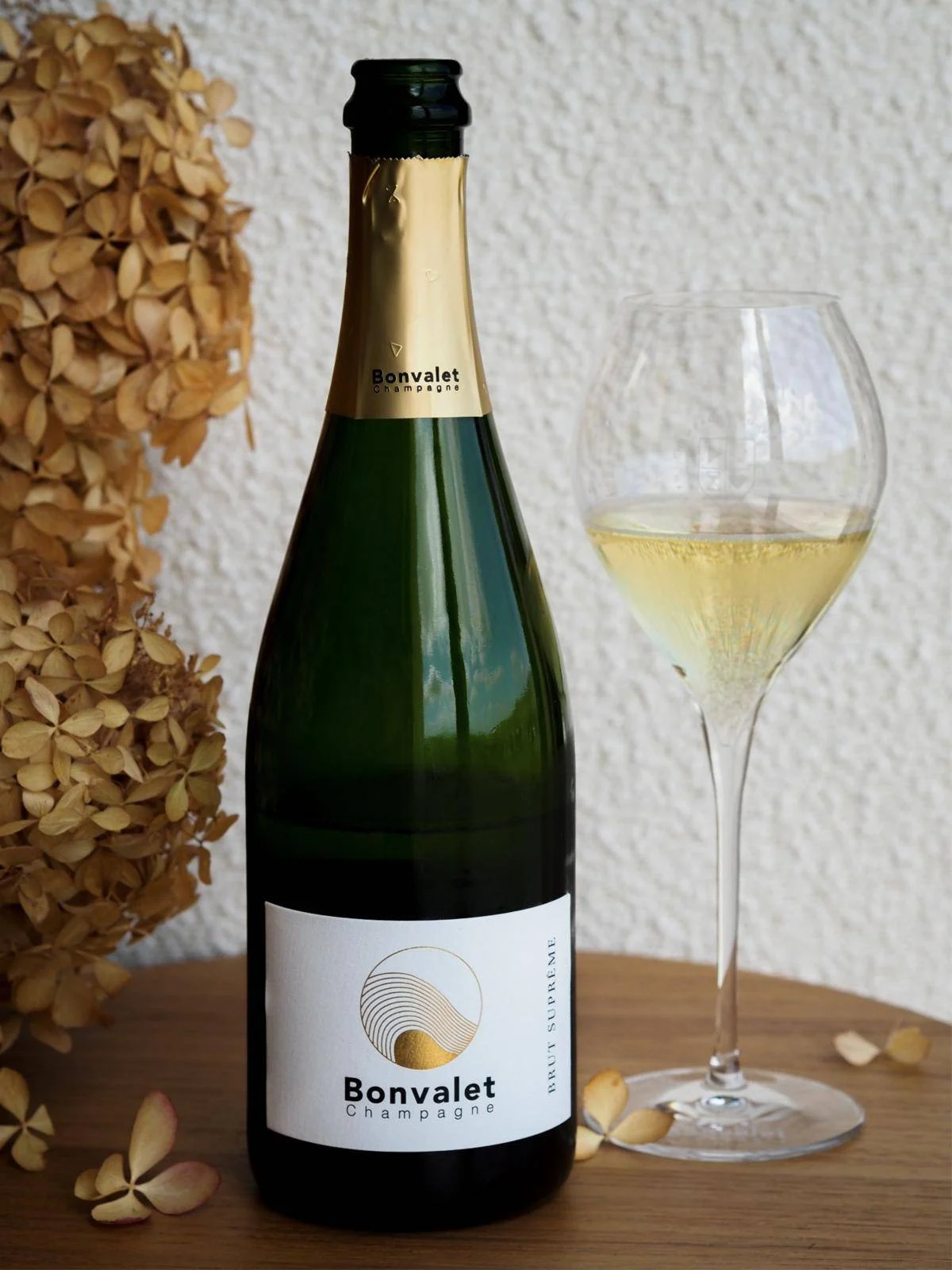
Their ambition: to demystify Champagne and make it approachable without compromising on quality or terroir. Brut Suprême, the first cuvée Guillaume created in 2012, is rated 87/100 by Gault&Millau and 4.1/5 on Vivino. The house has also been featured by ELLE, Terre de Vins, Le Figaro and The Good Life.
“To a valiant heart, nothing is impossible.”The Bonvalet motto
In pictures
On video
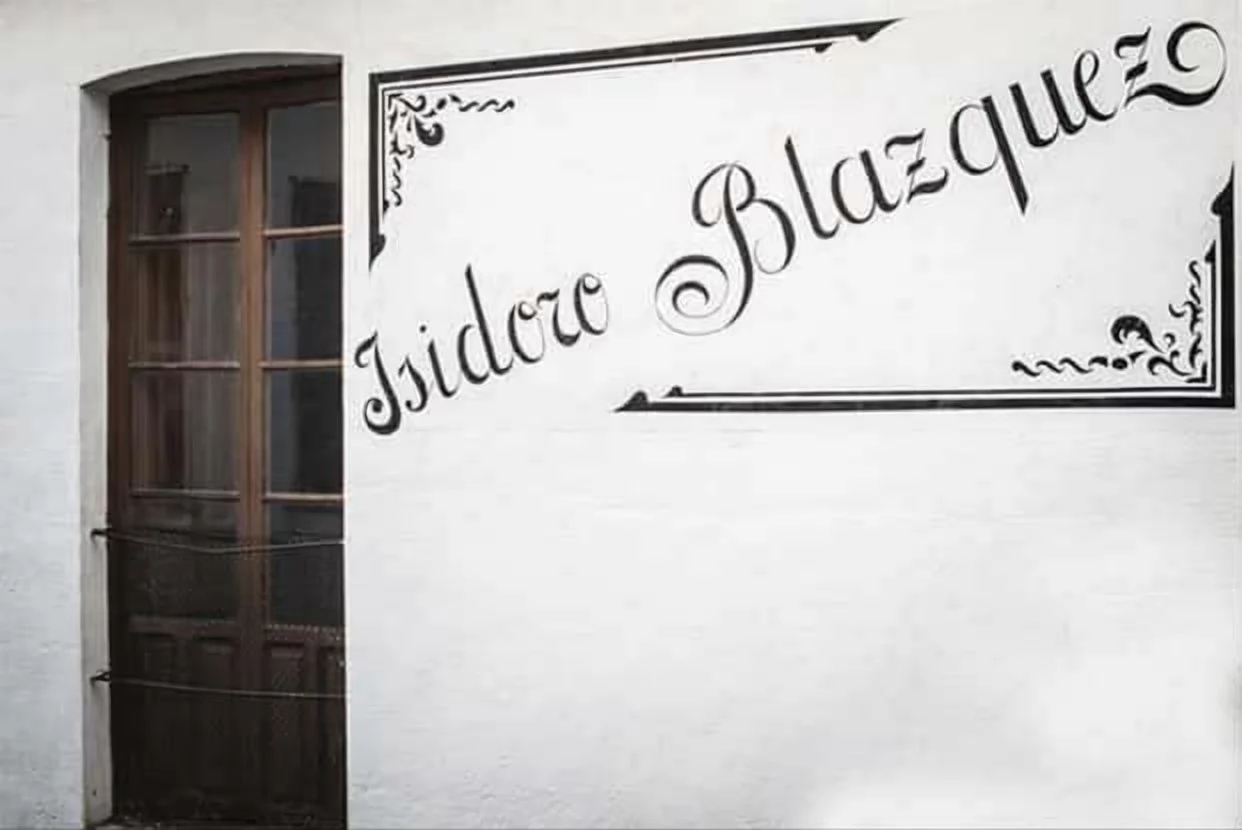
It all began in 1932 in Crespos, a small village in Castile and León, where Isidoro Blázquez and Teresa Martín started making Iberico ham, helped early on by their son Jacinto. From the age of 14, Jacinto travelled Extremadura to buy the finest pigs; those journeys led the family to acquire its own dehesas.
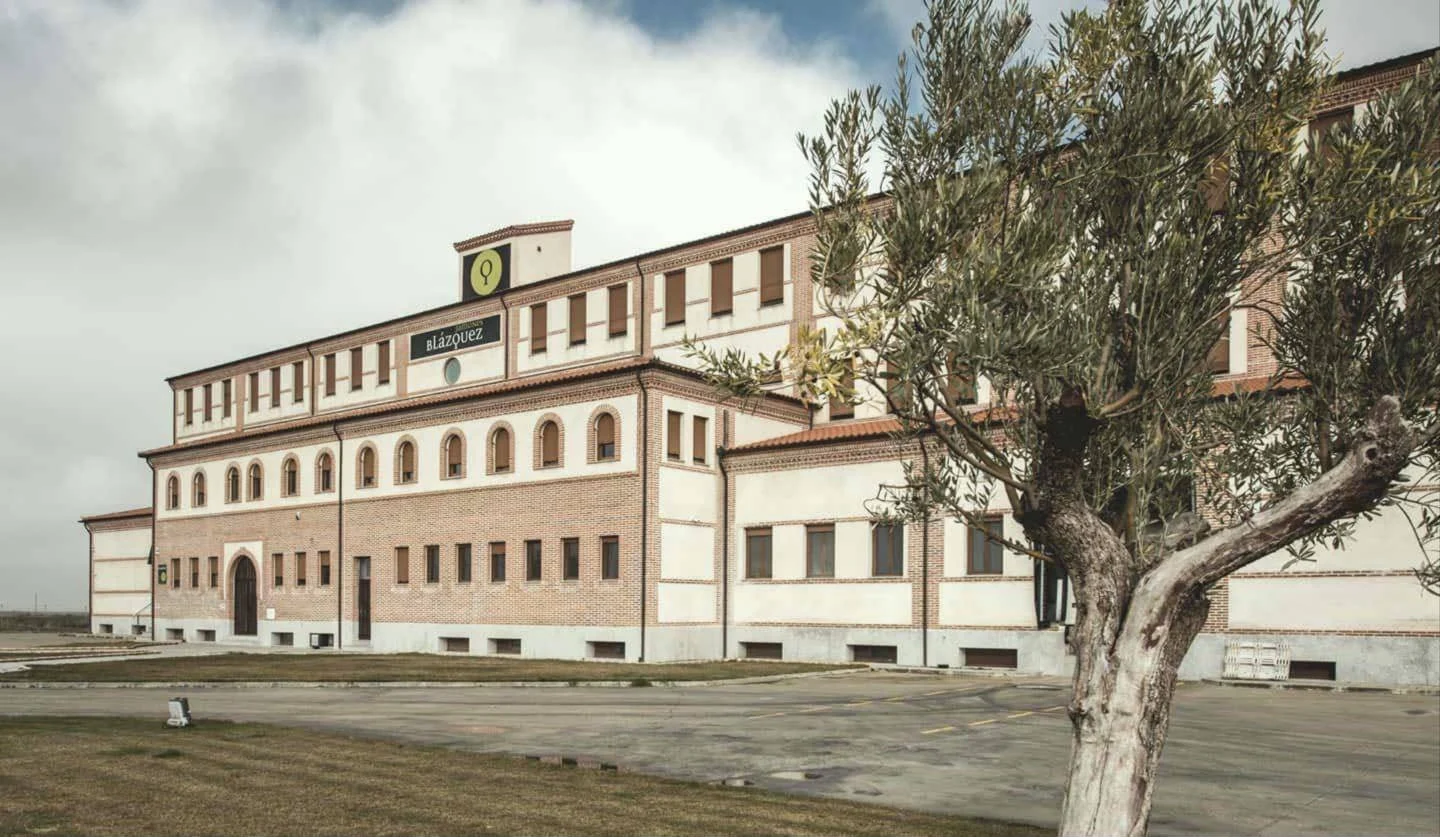
In 1980, Isidoro, the grandson, took over and brought distribution in-house, the start of strong growth: a modernised slaughterhouse and cutting room in Crespos (1985), a curing plant in Guijuelo (1994), a third plant, new dehesas in Andalucía and head offices in Salamanca (2004-2007), then the Peñaranda de Bracamonte plant (2010).
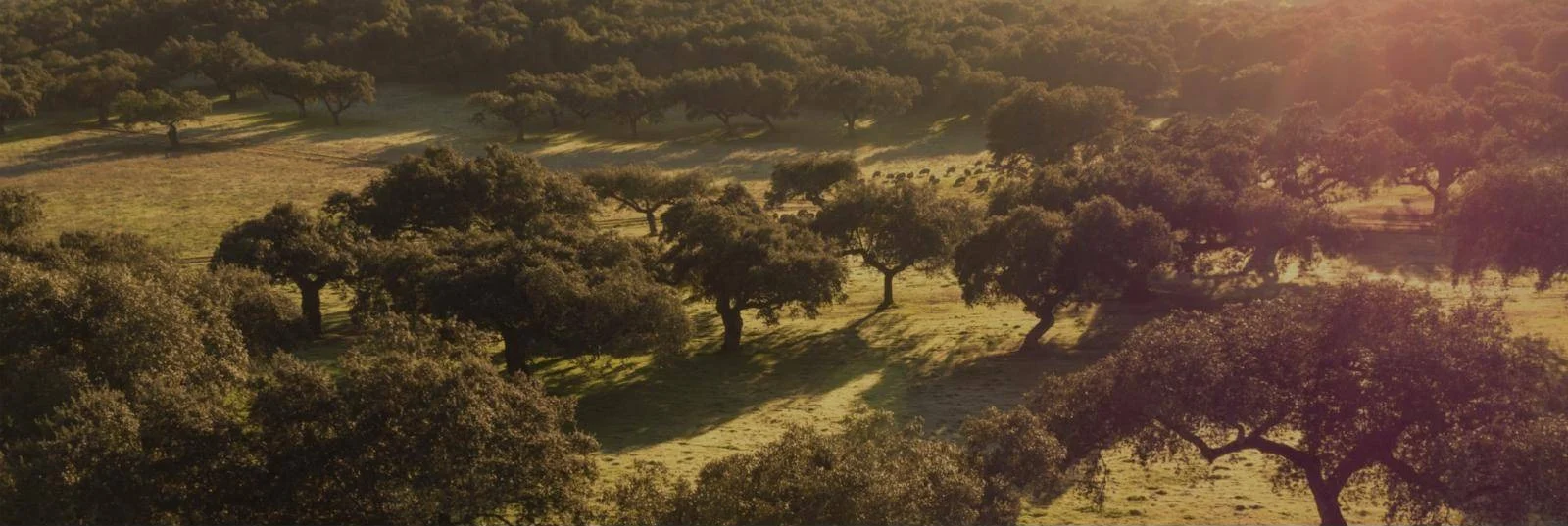
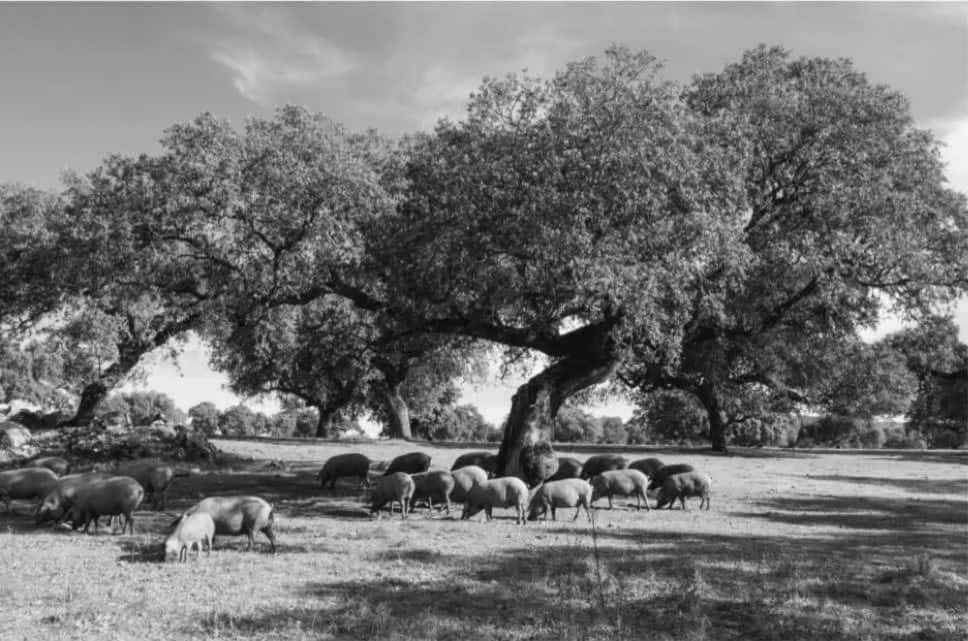
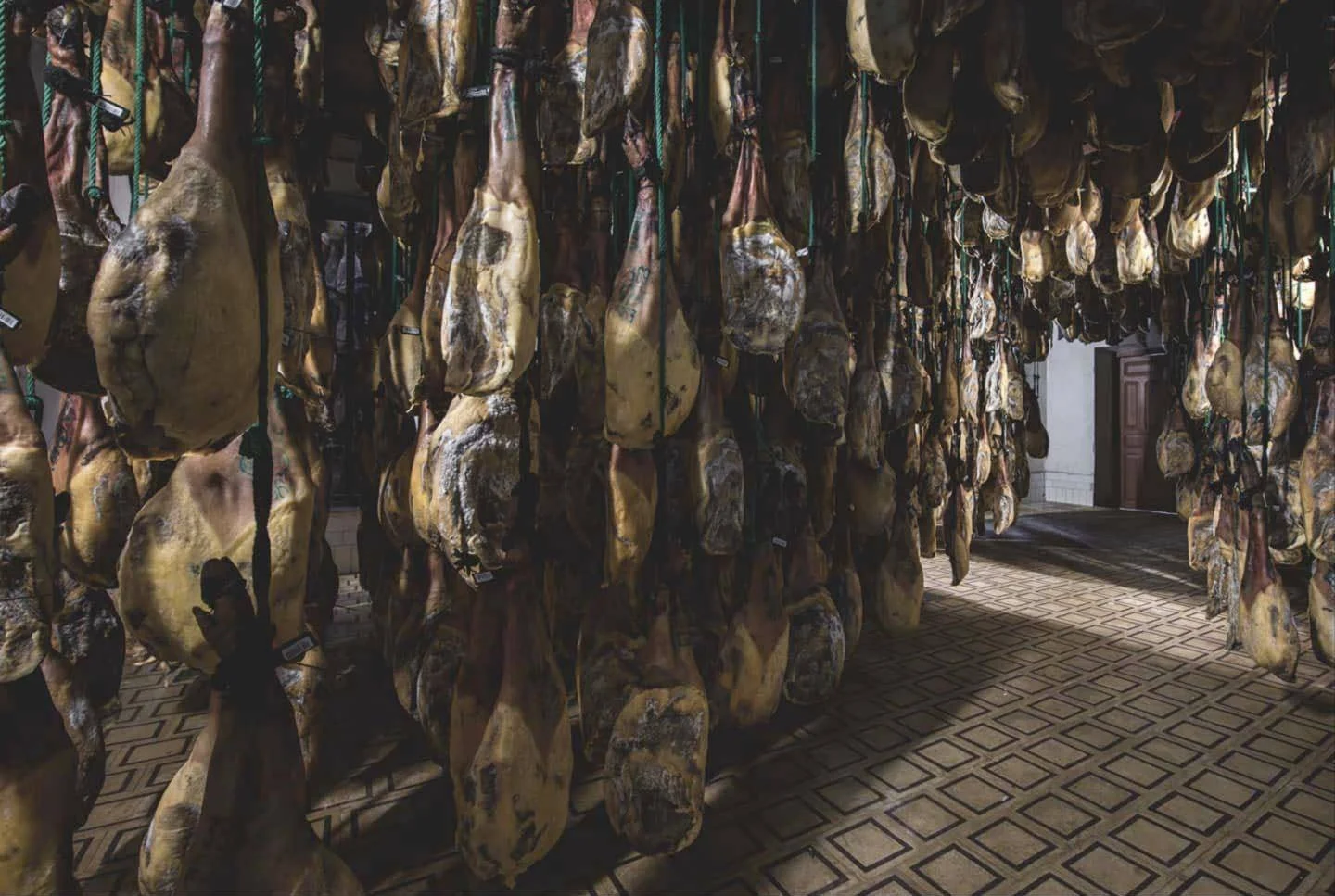
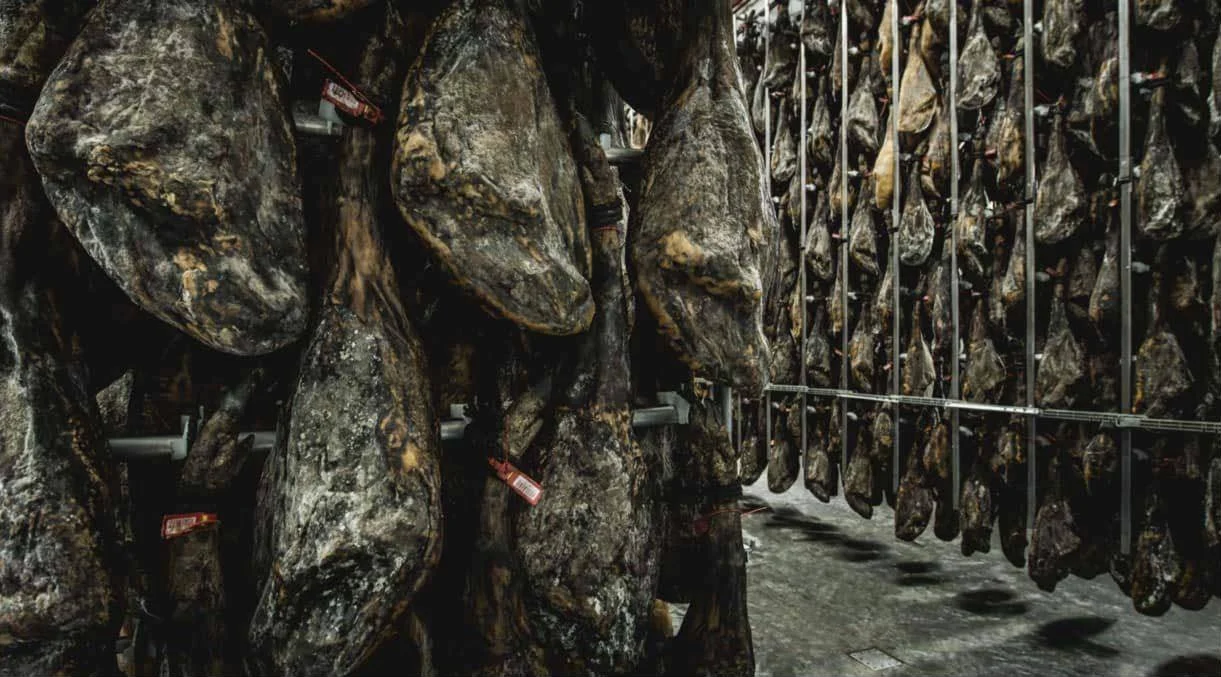
Today the house raises its Iberico pigs free-range on more than 30,000 hectares of dehesa and controls the whole chain, from rearing to curing. Its premium “Admiración” line is present in more than 50 markets, and the fourth generation of the family is joining the business to carry on the founders' values.
“Admiración, from the origin.”The Jamones Blázquez motto
In pictures
On video
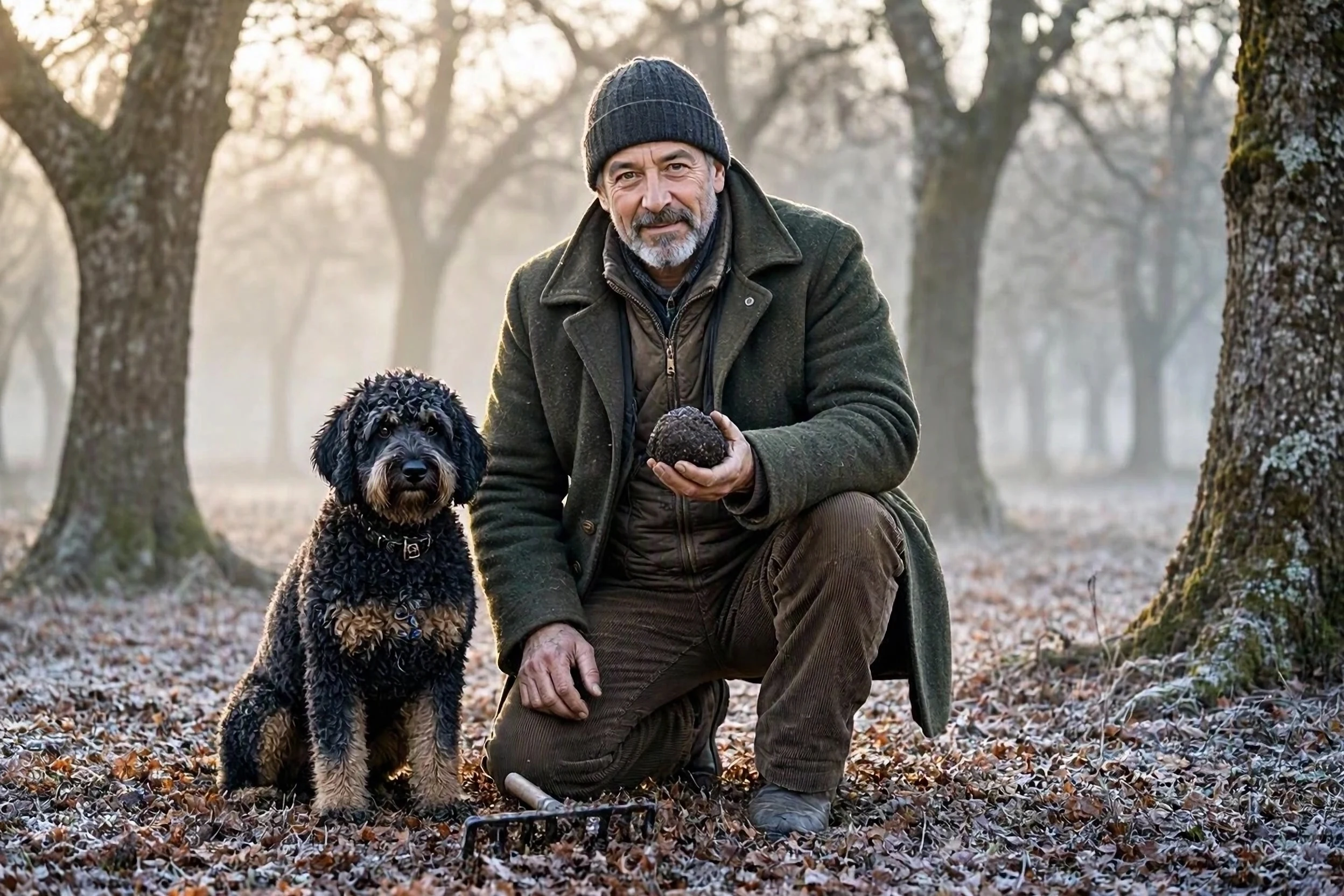
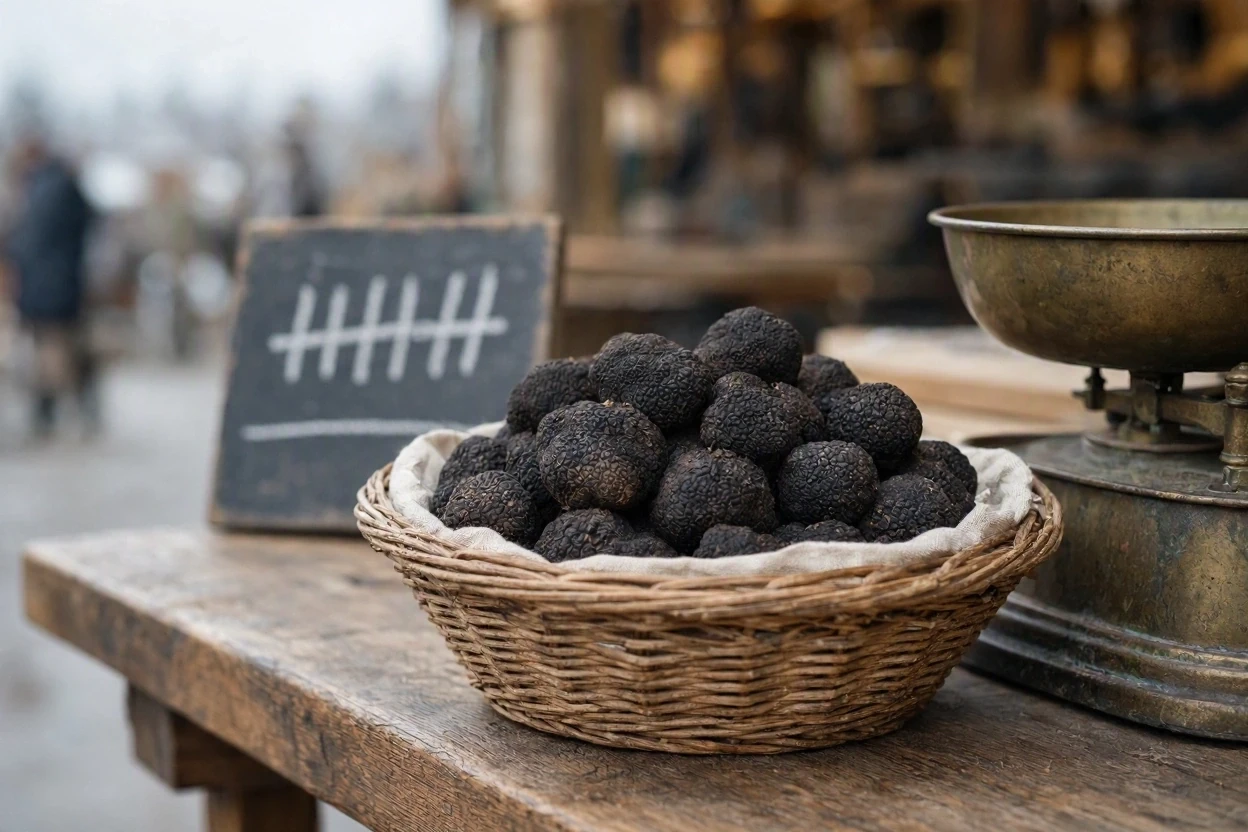
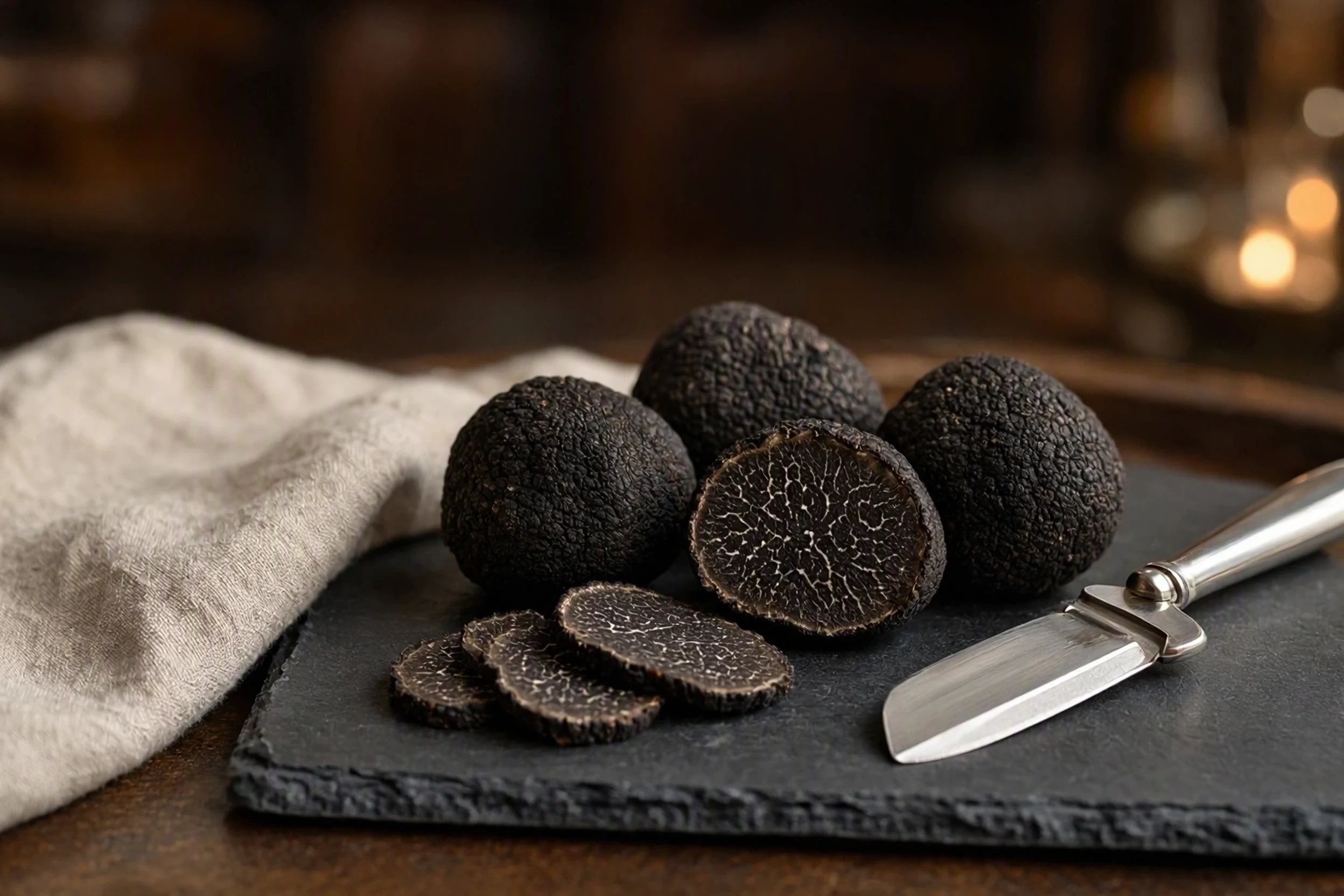
The black Périgord truffle, Tuber melanosporum, is an underground fungus. It grows in symbiosis with the roots of certain trees, above all oak and hazel, and never shows itself: it has to be found.
It is harvested in winter, when it is ripe and its aroma becomes intense. The grower walks the truffle grounds with a dog trained to recognise the scent; when the dog marks, the truffle is dug up by hand, one at a time. This is called cavage.
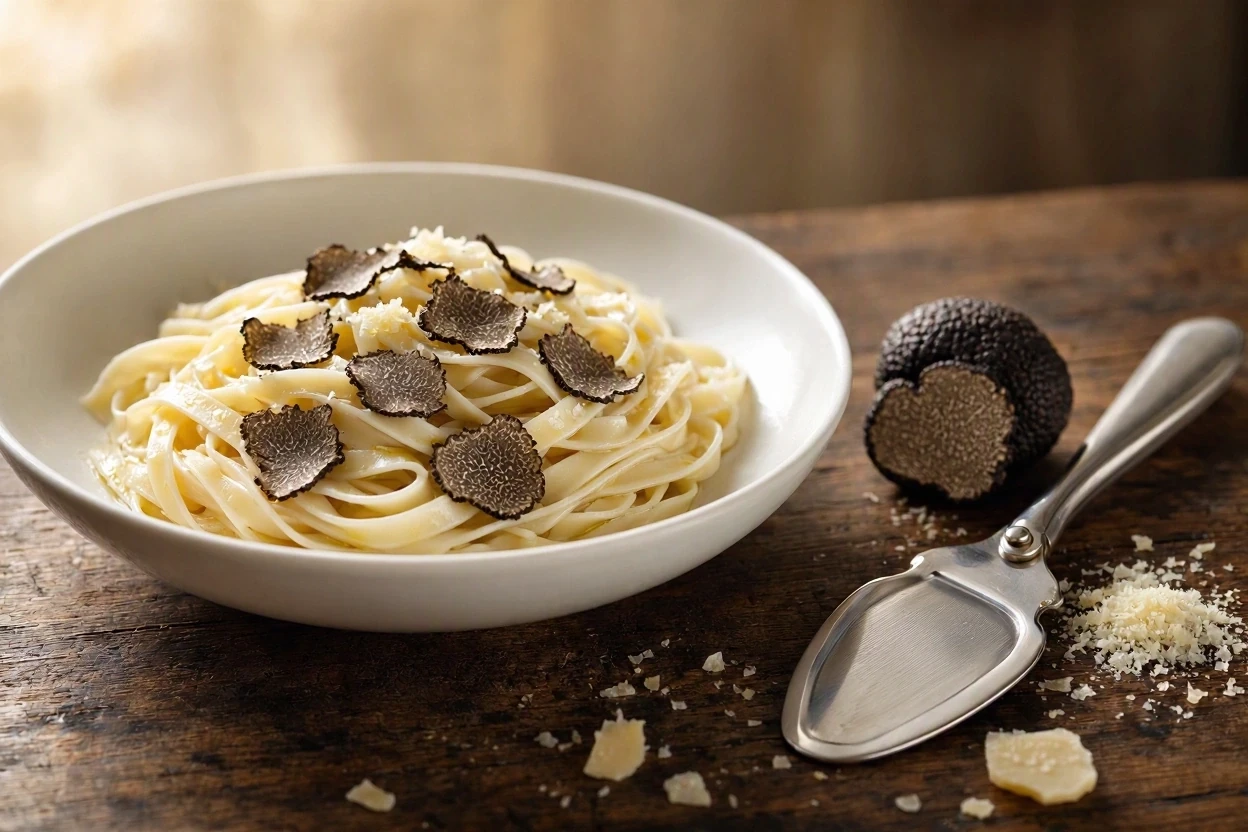
Every truffle is unique, and every season depends on rain, cold and soil. That is what makes it a rare product, which we bring in as arrivals allow, for your table and your restaurant.
« The truffle is the diamond of the kitchen. »Jean Anthelme Brillat-Savarin
In pictures
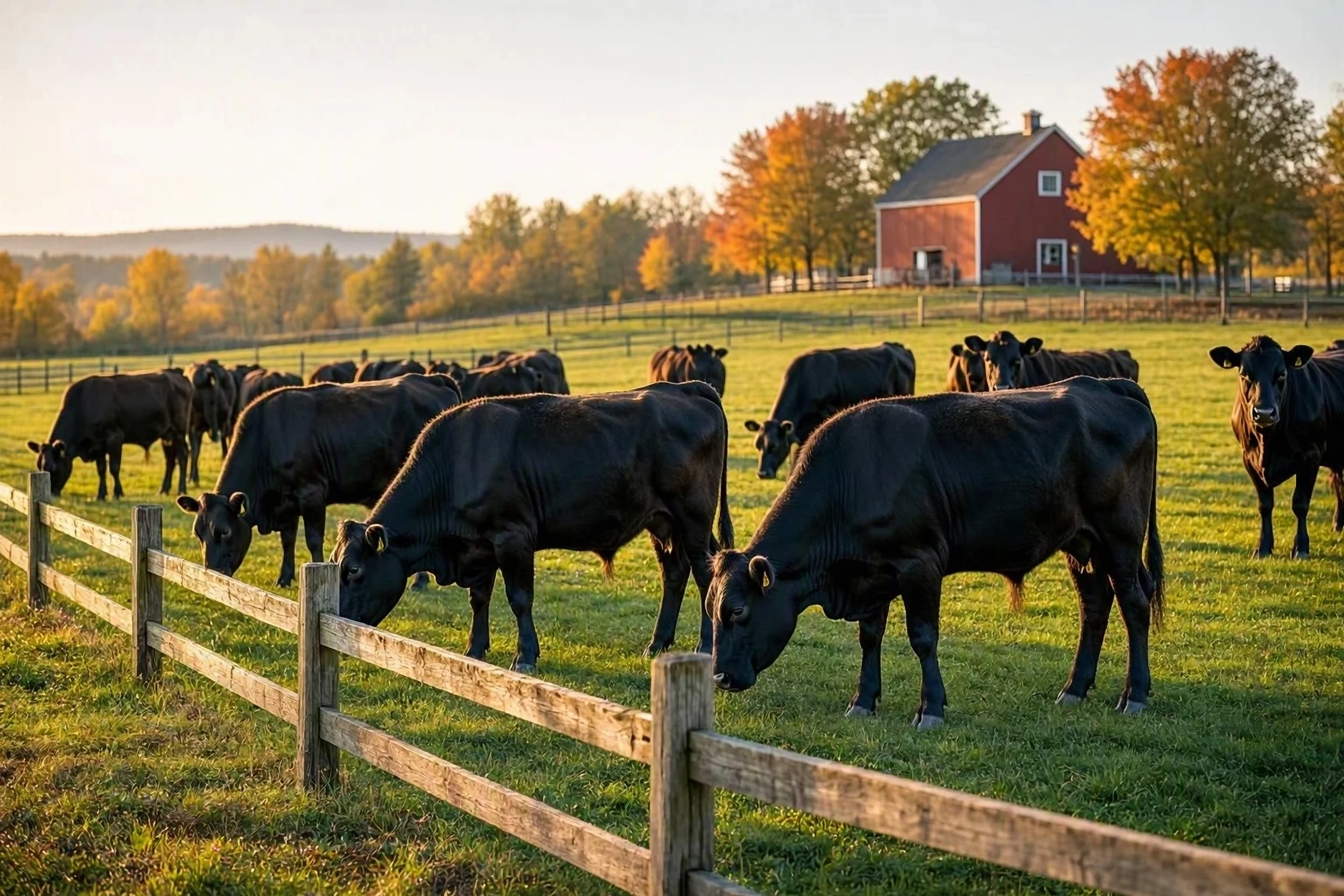
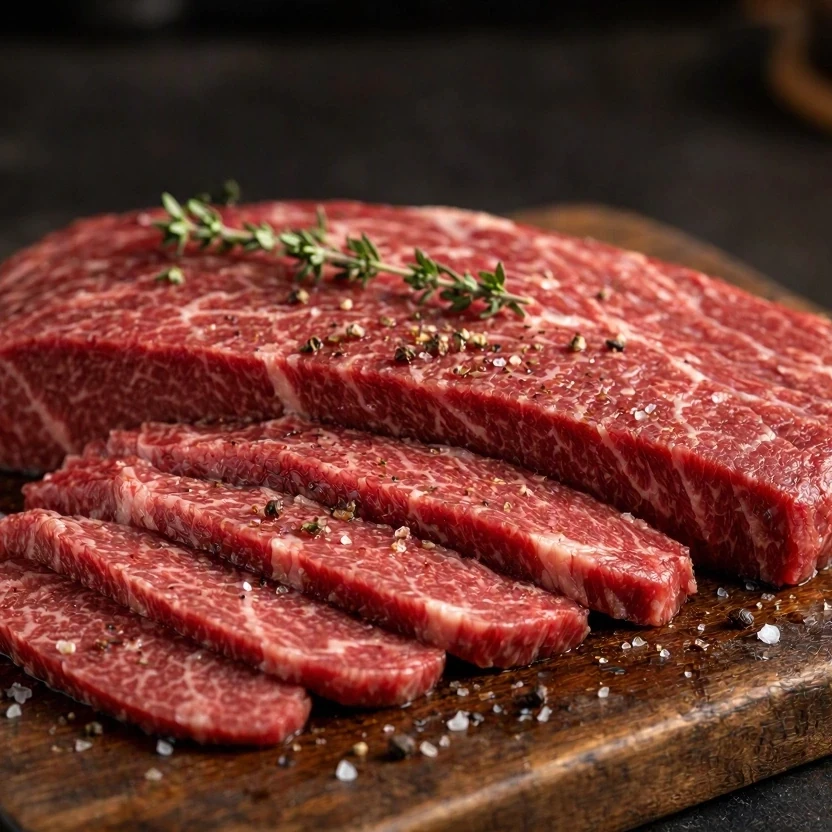
« Wa » means Japanese, « gyū » means beef: Wagyu is Japanese beef. The breed is famous worldwide for its marbling, very fine fat spread through the heart of the meat, which melts as it cooks and gives it a tenderness and flavour of its own.
Ours is 100% Québec: Wagyu raised here, to the rhythm of Québec's seasons. An exceptional beef, produced close to home.
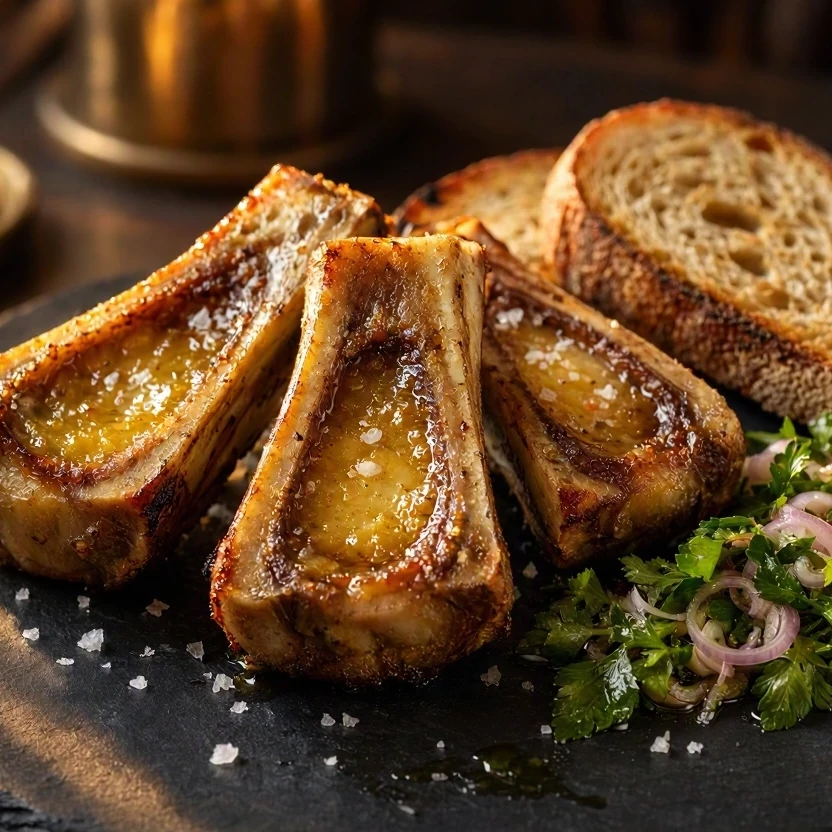
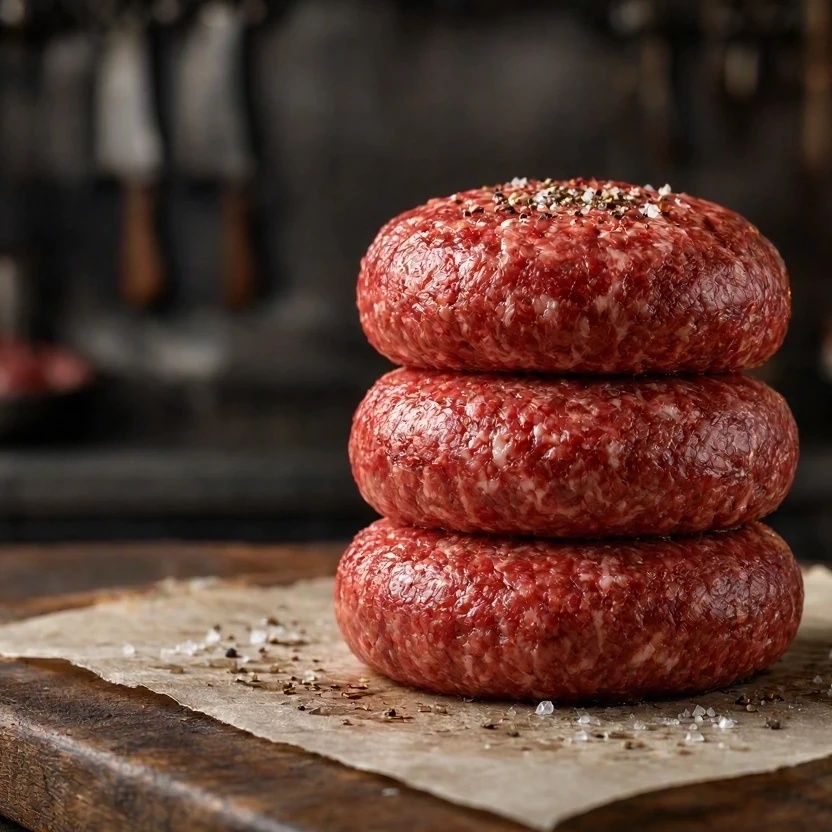
We offer it in four cuts chosen for their character: the bone-in rib steak to share, the flavourful flank steak, marrow bones for roasting and ground beef for an exceptional burger.
« A beef you recognise from the first bite. »Tradition Delloye
In pictures
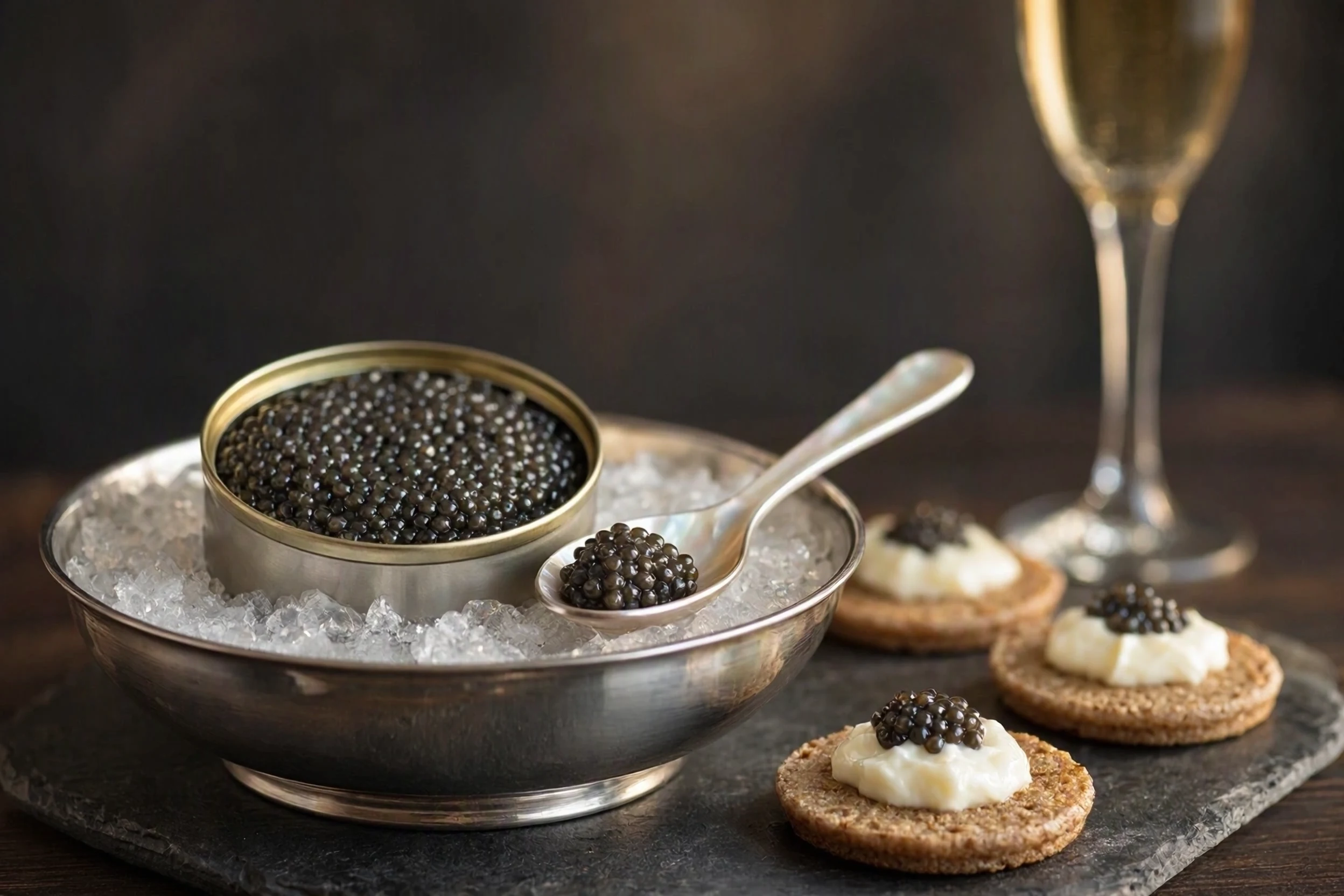
Caviar is the roe of the sturgeon, one of the oldest fish in the world. Long fished in the Caspian Sea, wild sturgeon is now protected: caviar today comes from farmed sturgeon.
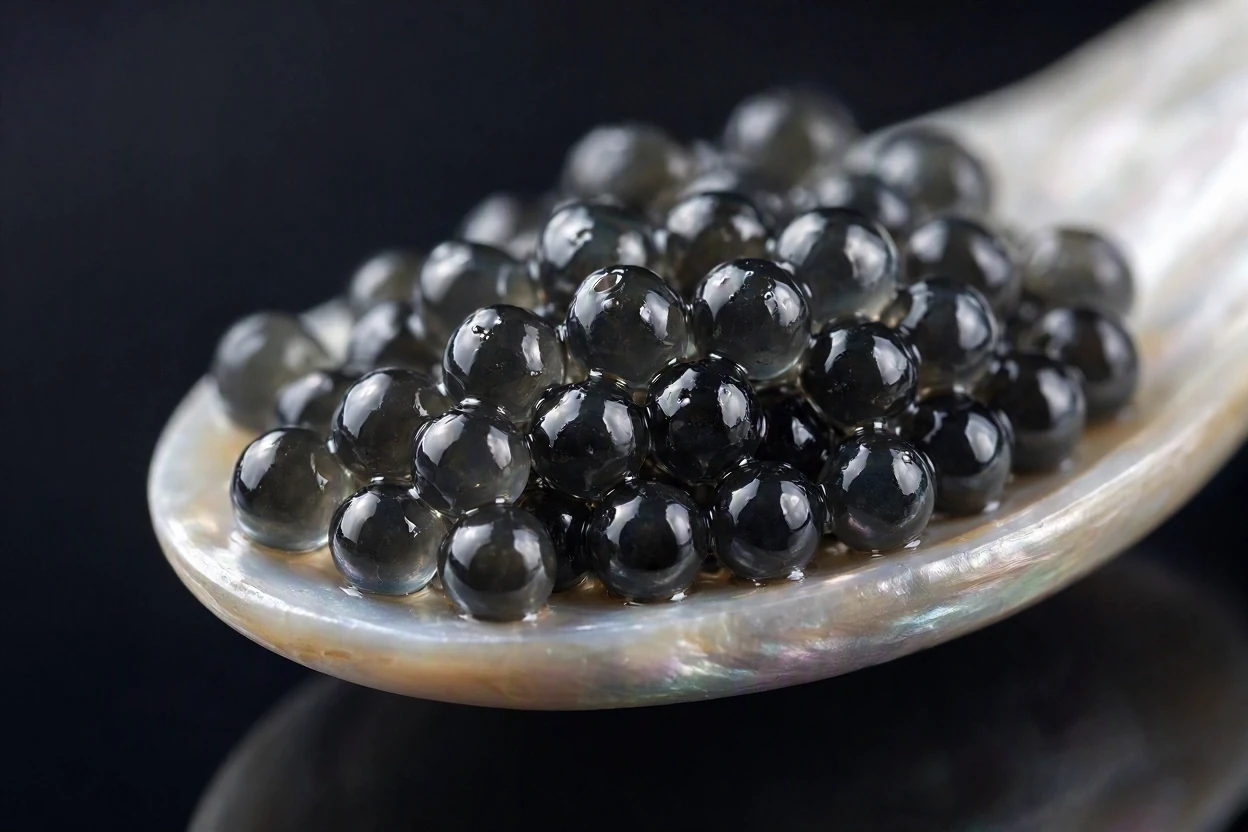
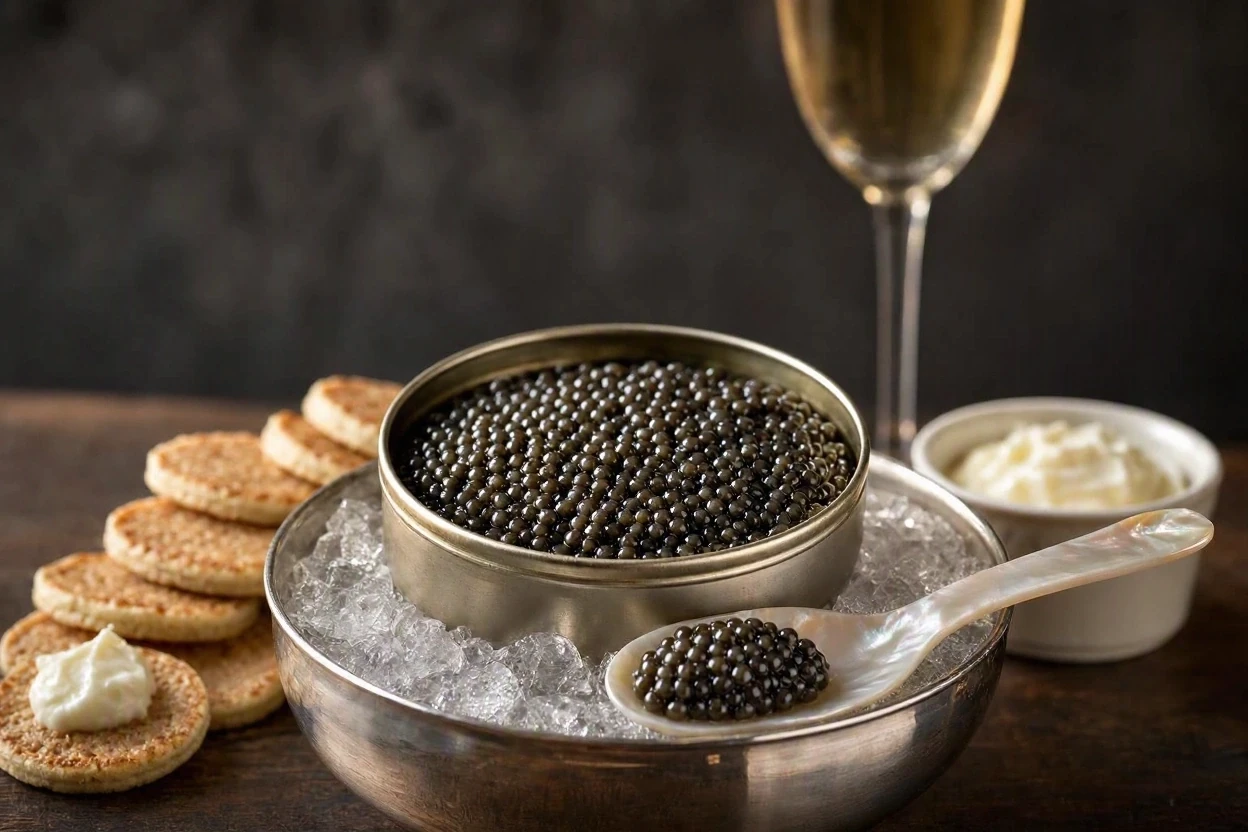
The whole craft lies in a few gestures: harvesting the roe when ripe, sieving it, then salting it very lightly. This is called malossol caviar, « lightly salted » in Russian. The pearls must stay firm and glossy, and release a briny, buttery flavour on the palate.
We offer the current selection, in the tin, for your receptions, your gifts and your menu.
« Caviar is to be savoured, not eaten. »A saying of gastronomy
In pictures
Photos and videos: R&L Legras, Bonvalet and Jamones Blázquez houses; truffle, Wagyu and caviar: illustrative images; Legras video report: Stéphane Riss; Brut Suprême presentation: Avenue des Vins.